

Field Research Studies
Field-based studies that bring research closer to communities, institutions and lived realities across India.
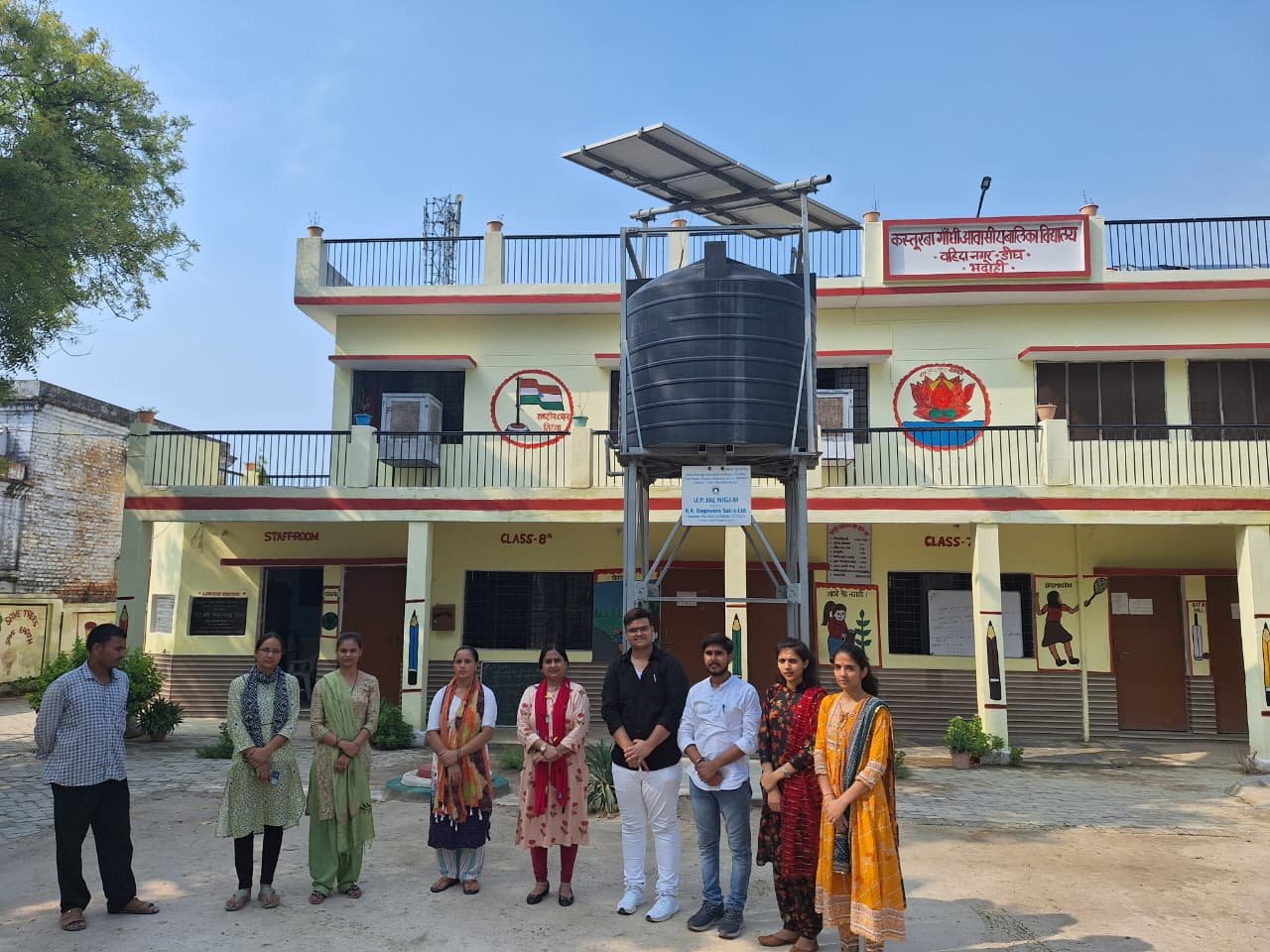
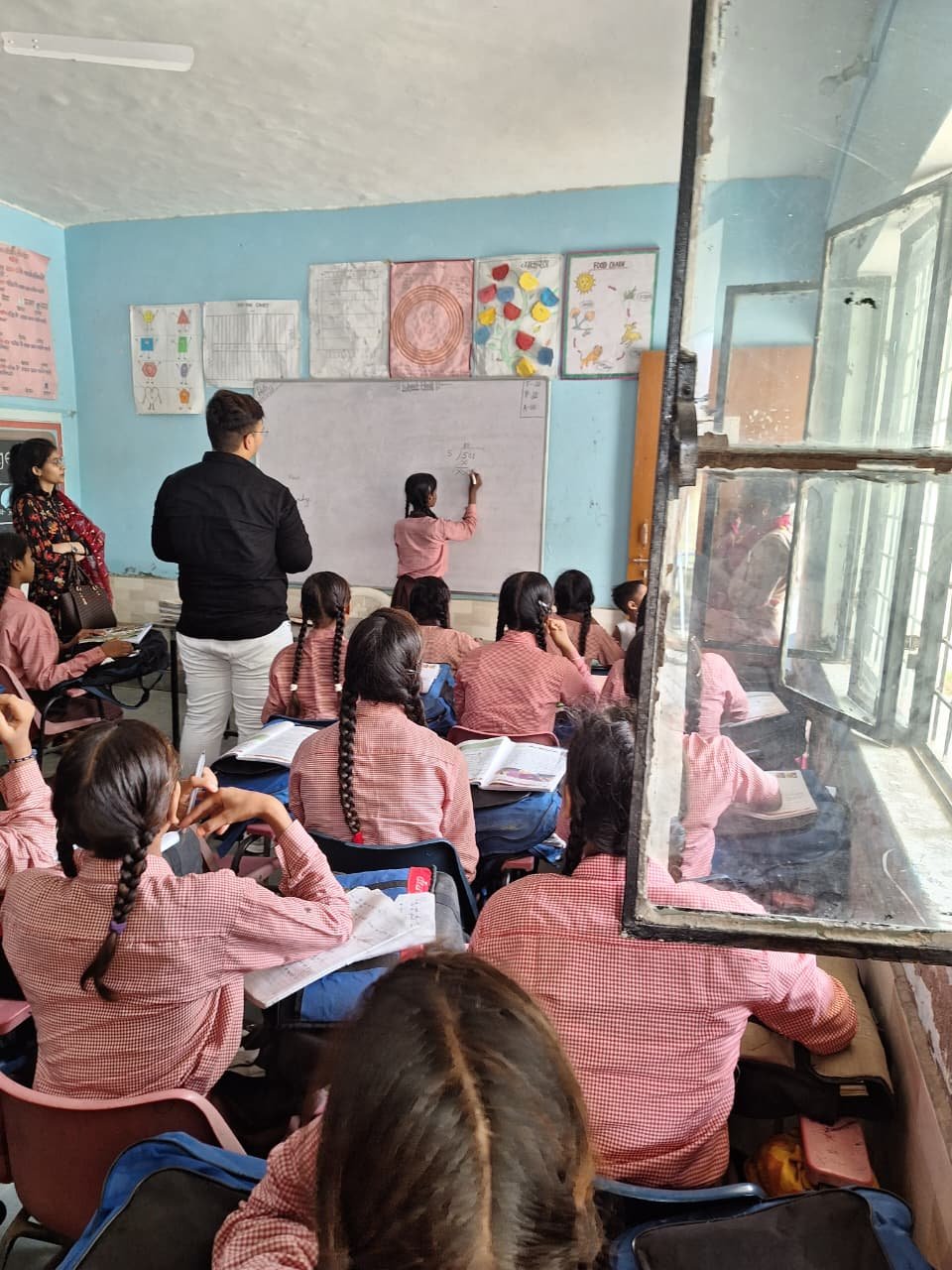
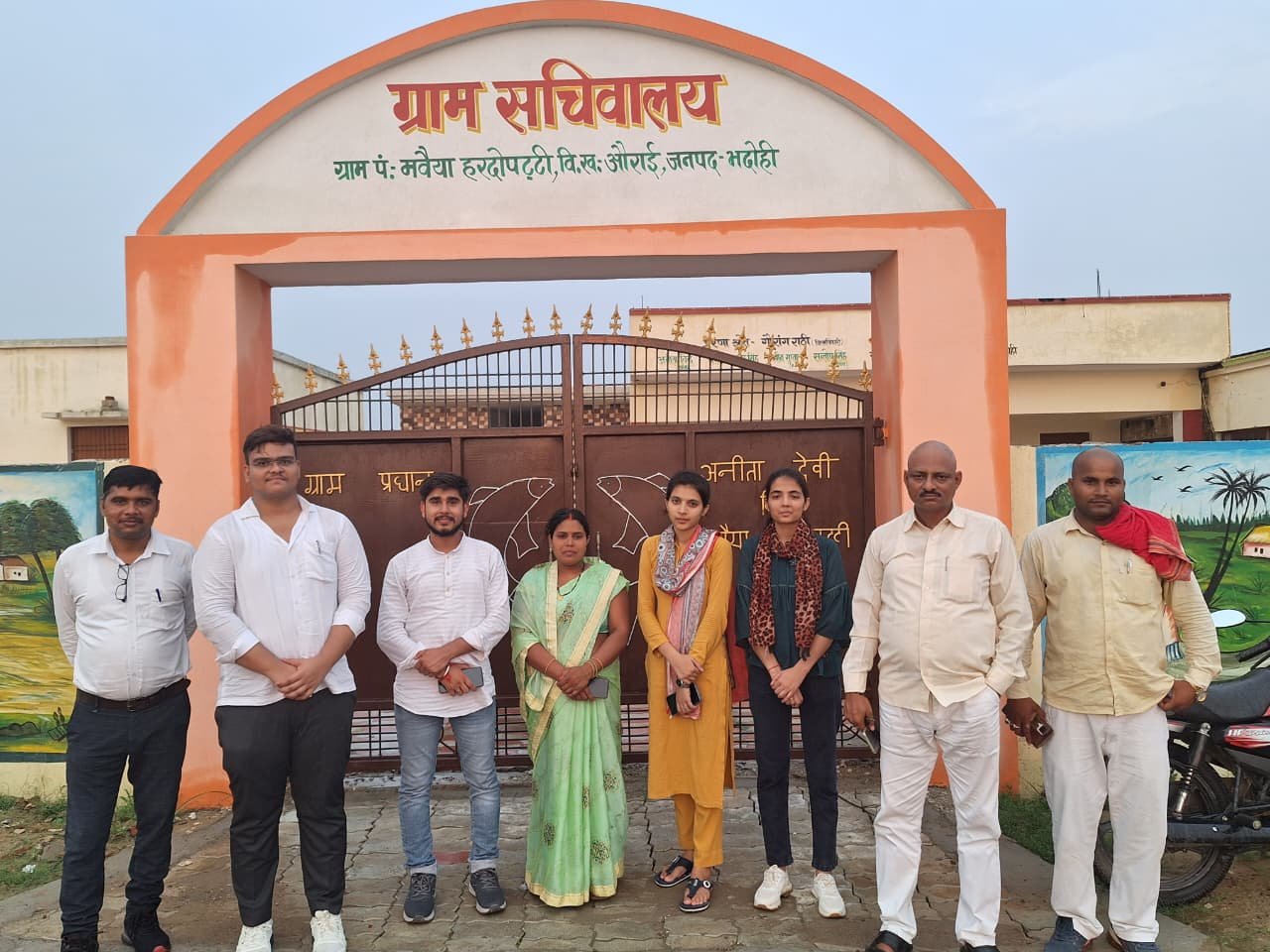
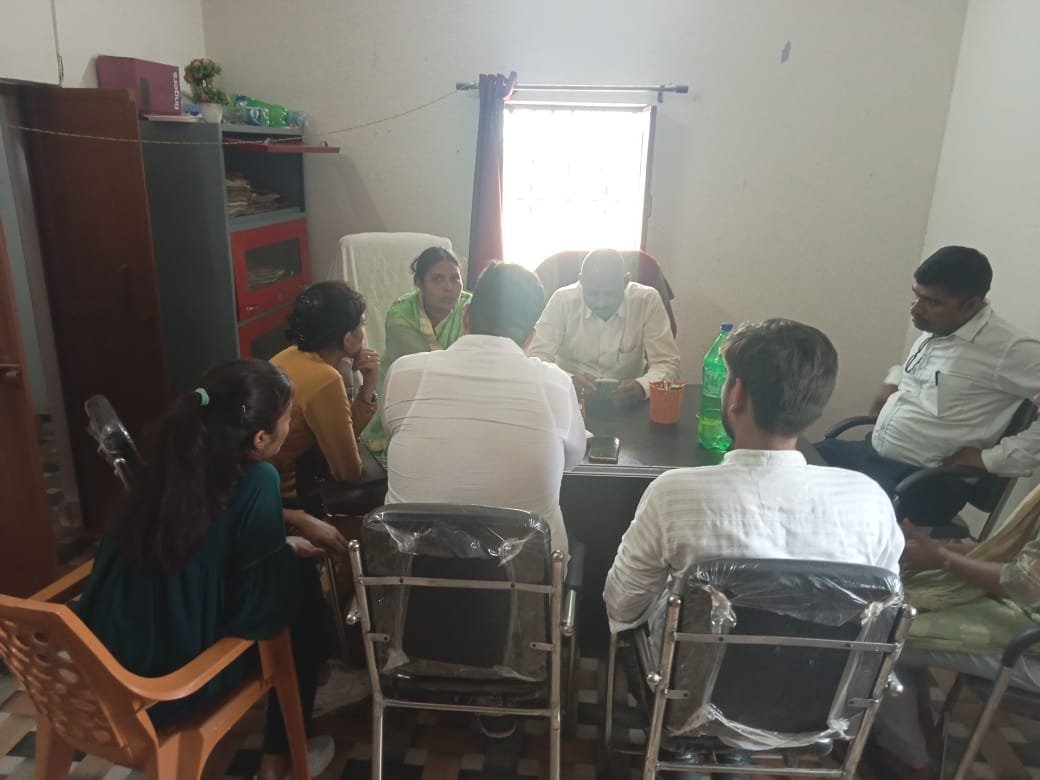
Bhadohi, Uttar Pradesh 2023: A Study of Local Governance and Public Institutions
The field study in Bhadohi, Uttar Pradesh, was undertaken in 2023 as a fourteen-day administrative and experiential learning programme designed to provide students with first-hand exposure to the functioning of local governance institutions. The programme involved visits to administrative, developmental, welfare and public service institutions at district and sub-district levels. Through direct interaction with government officials and observation of institutional processes, the study enabled students to connect classroom-based concepts of governance and public administration with practical implementation at the local level. The study covered administration, revenue, elections, agriculture, horticulture, statistics, welfare, nutrition, industry, food security and public health.
Delhi Assembly Election 2025: A Survey Analysis of Voter Behaviour, Political Preferences, and Electoral Trends
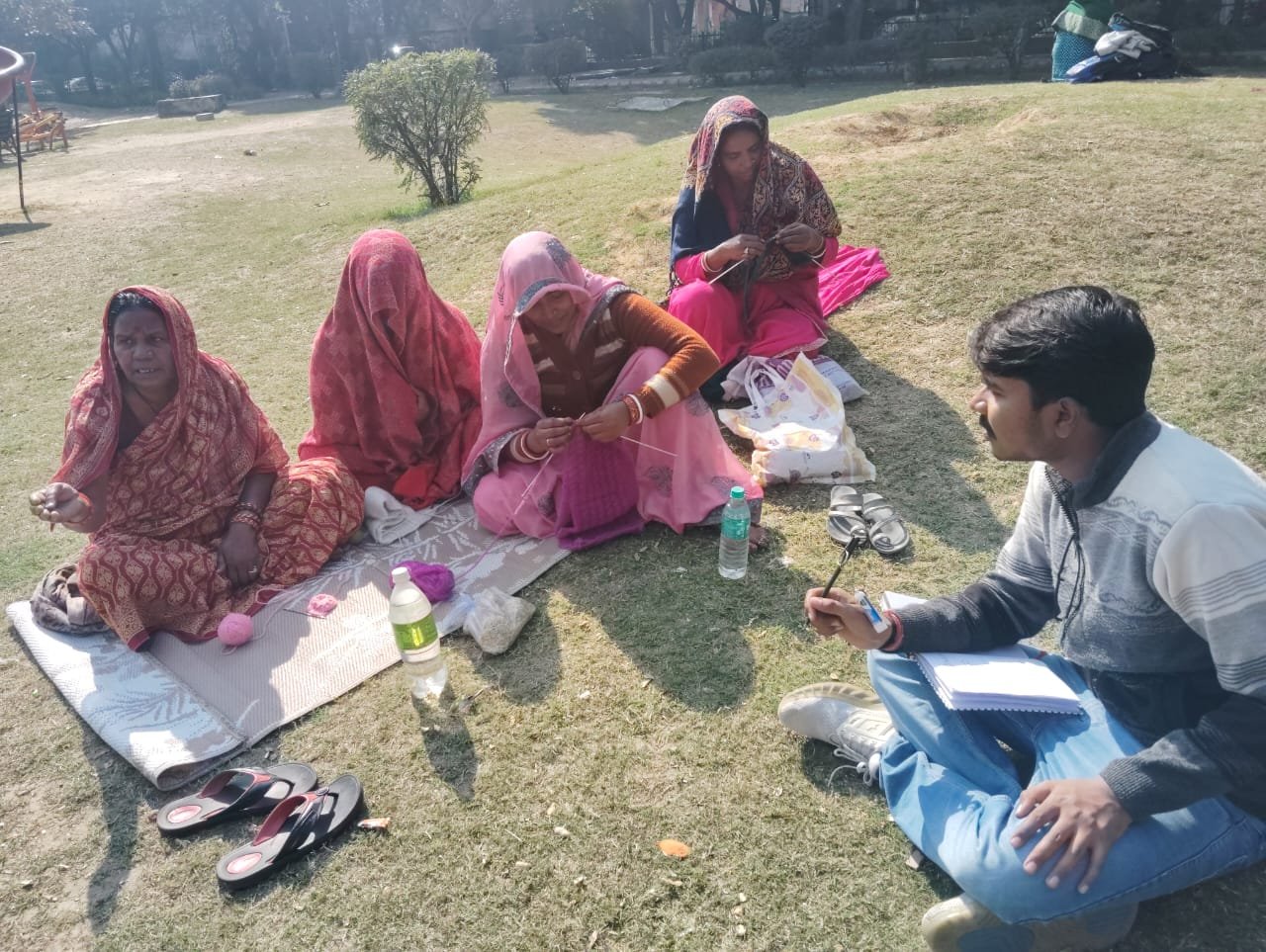
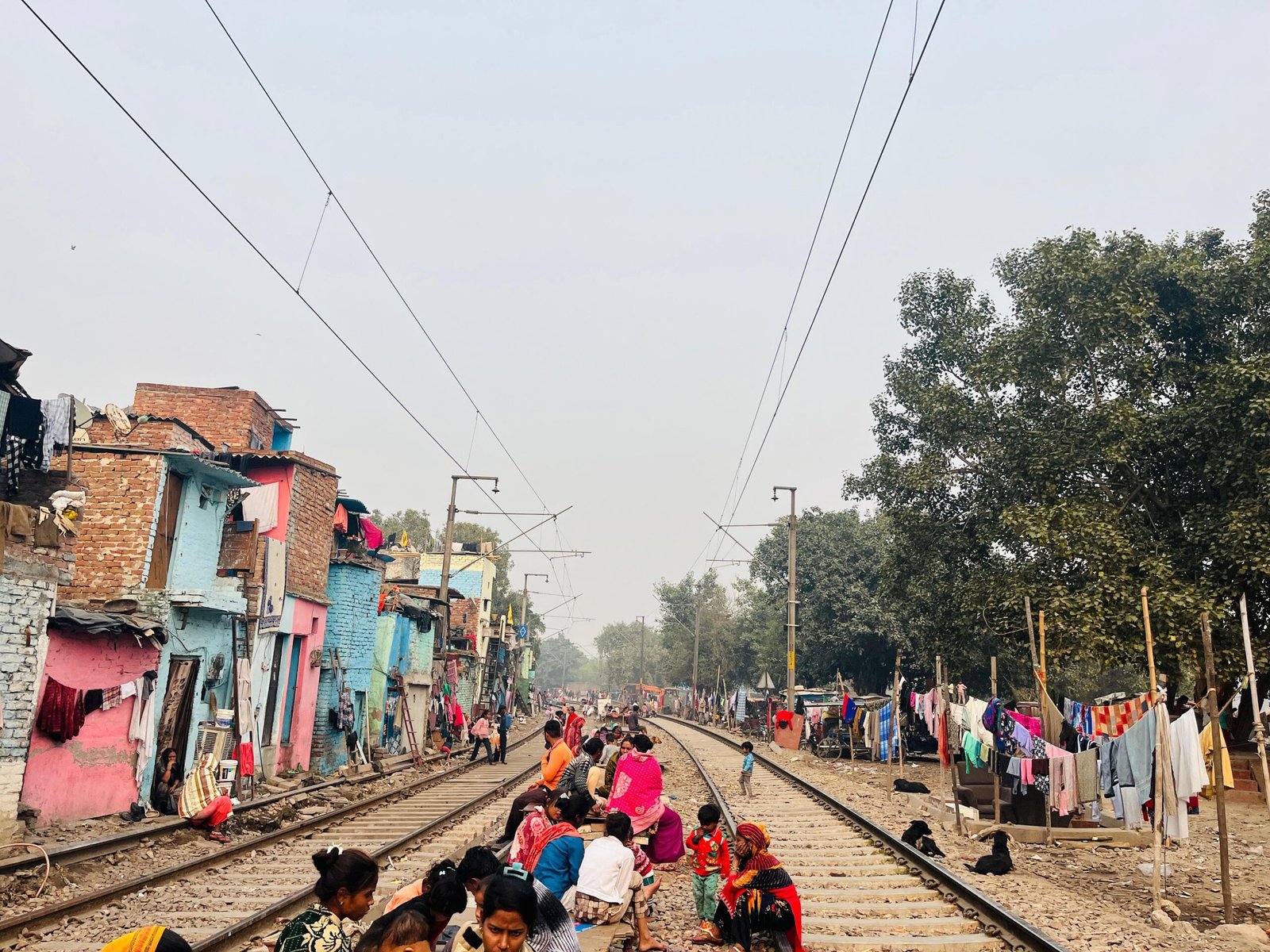
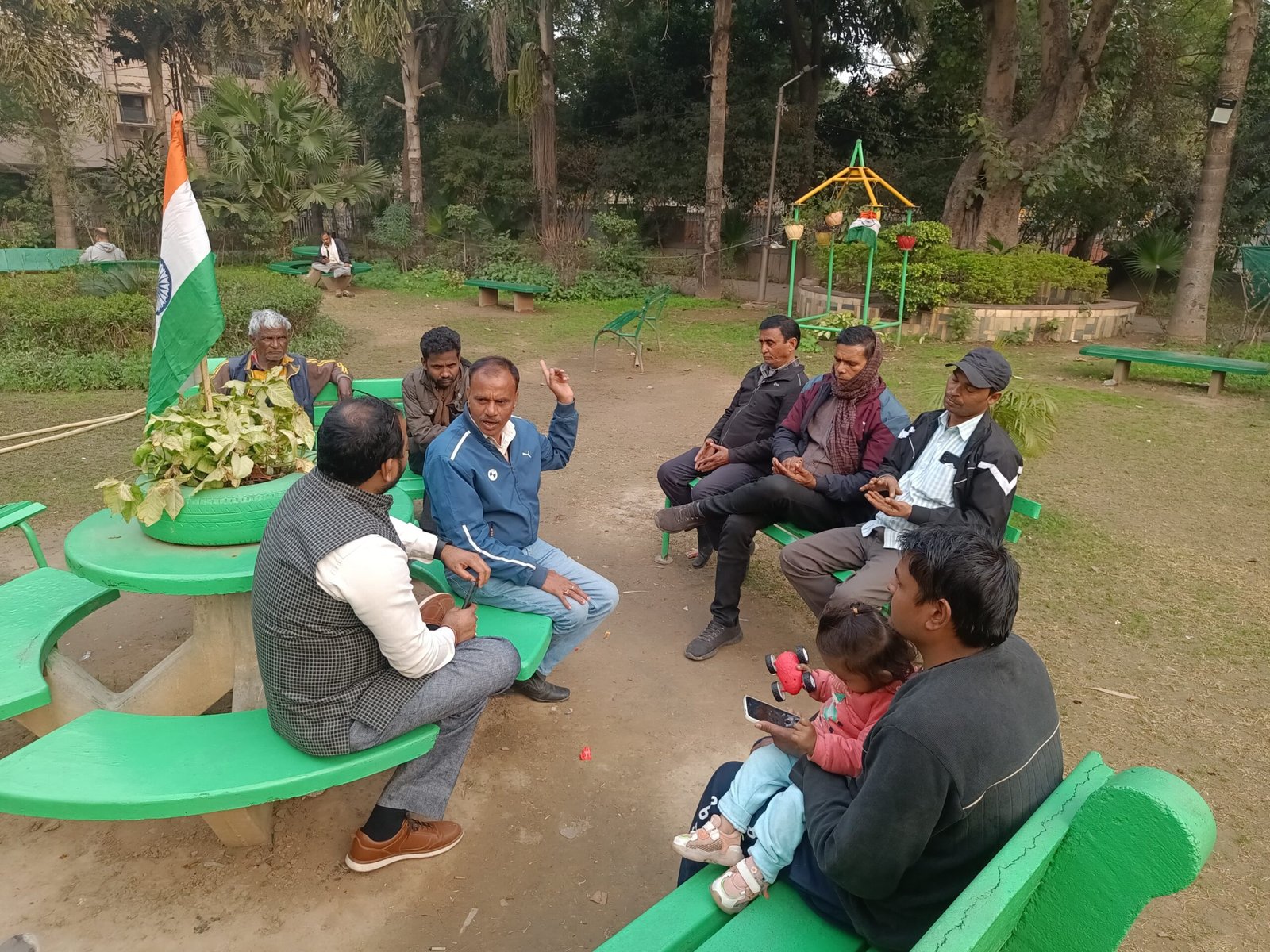
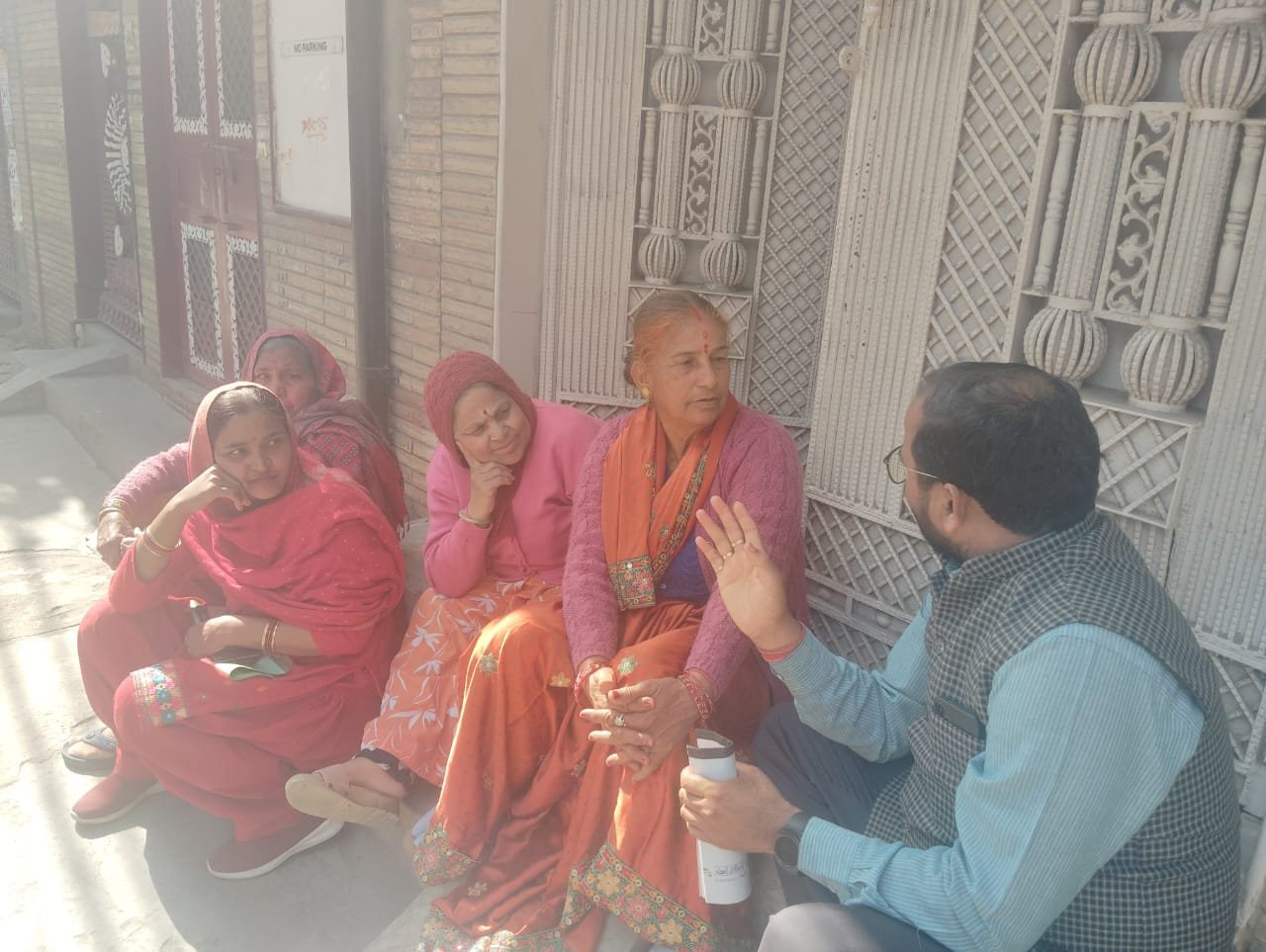
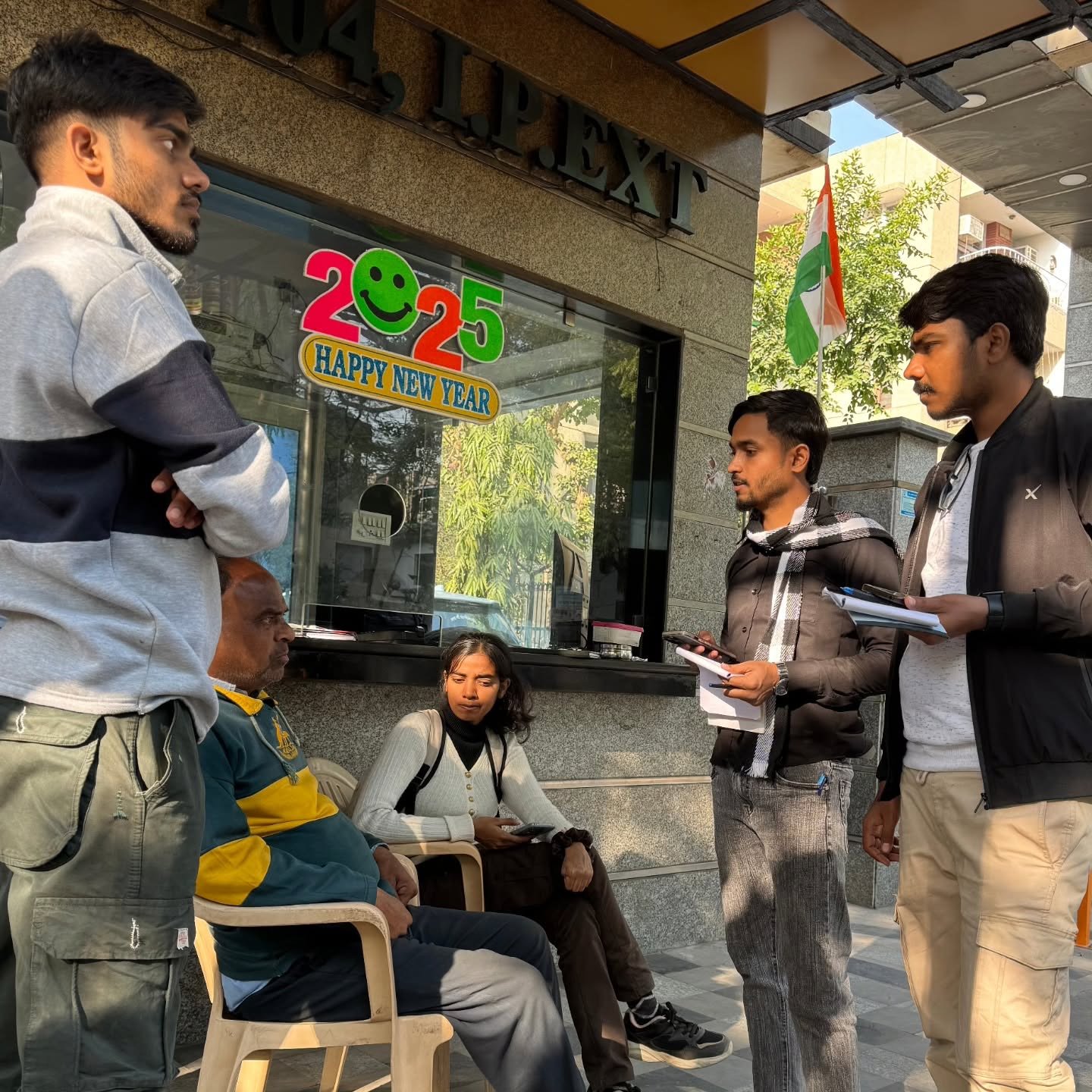
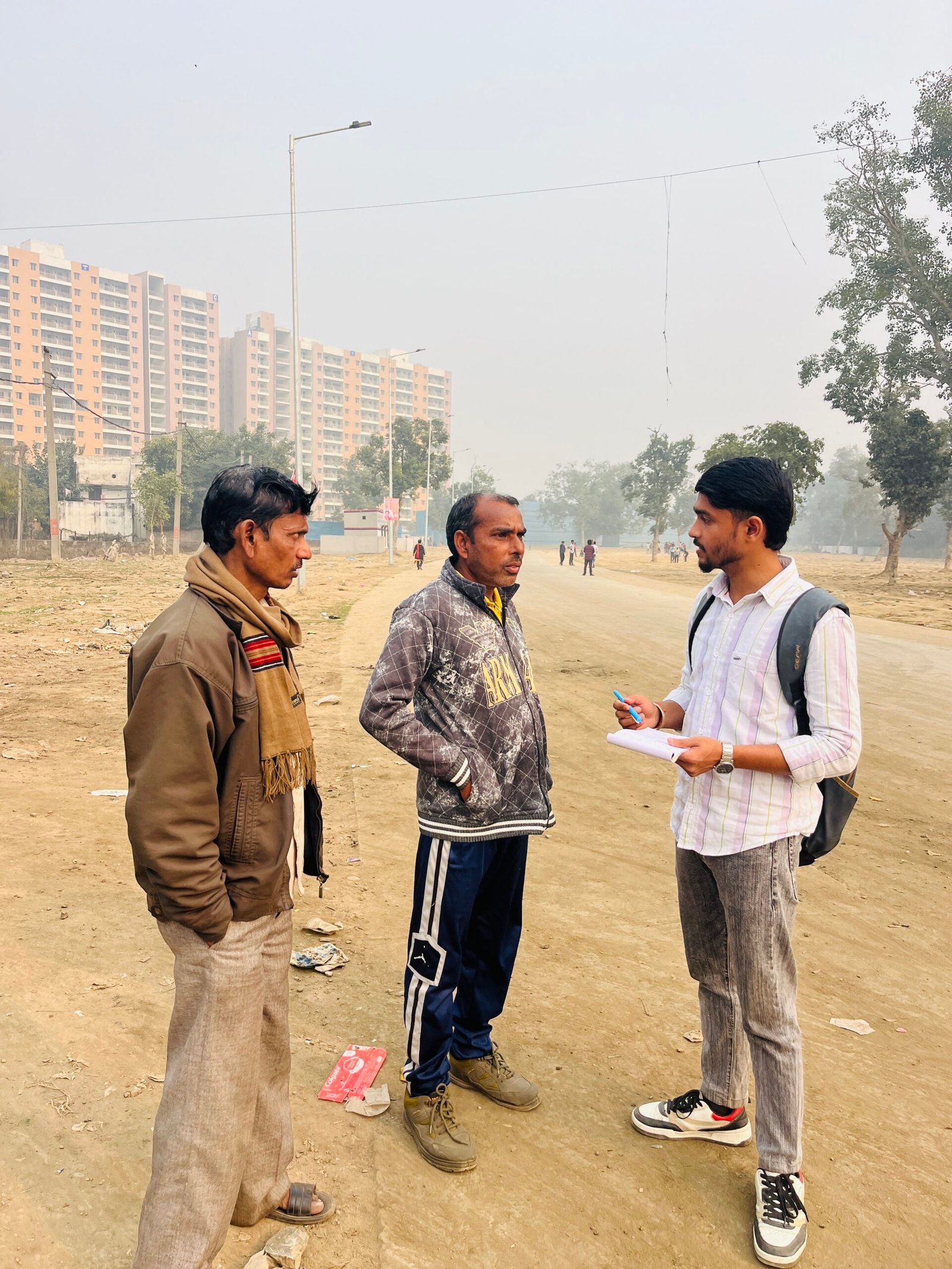
The 2025 Delhi Assembly elections witnessed a major political shift, with 15.5 million registered voters contesting 70 seats and a voter turnout of 60.54%. To understand the voting swing before the election, our members undertook a pre-election survey from 22nd January 2025 to 3rd February 2025, gathering 1,000+ responses. The survey examined political, socio-economic and governance-related issues influencing electoral preferences. Particular emphasis was placed on manifestos, welfare schemes, freebie politics, leadership perceptions and party credibility. The team visited ten major constituencies and analysed voting patterns across lower middle class, upper middle class, service class, business class and elite class.
Hamirpur, Himachal Pradesh 2022: A Study of Welfare Schemes and Public Service Delivery
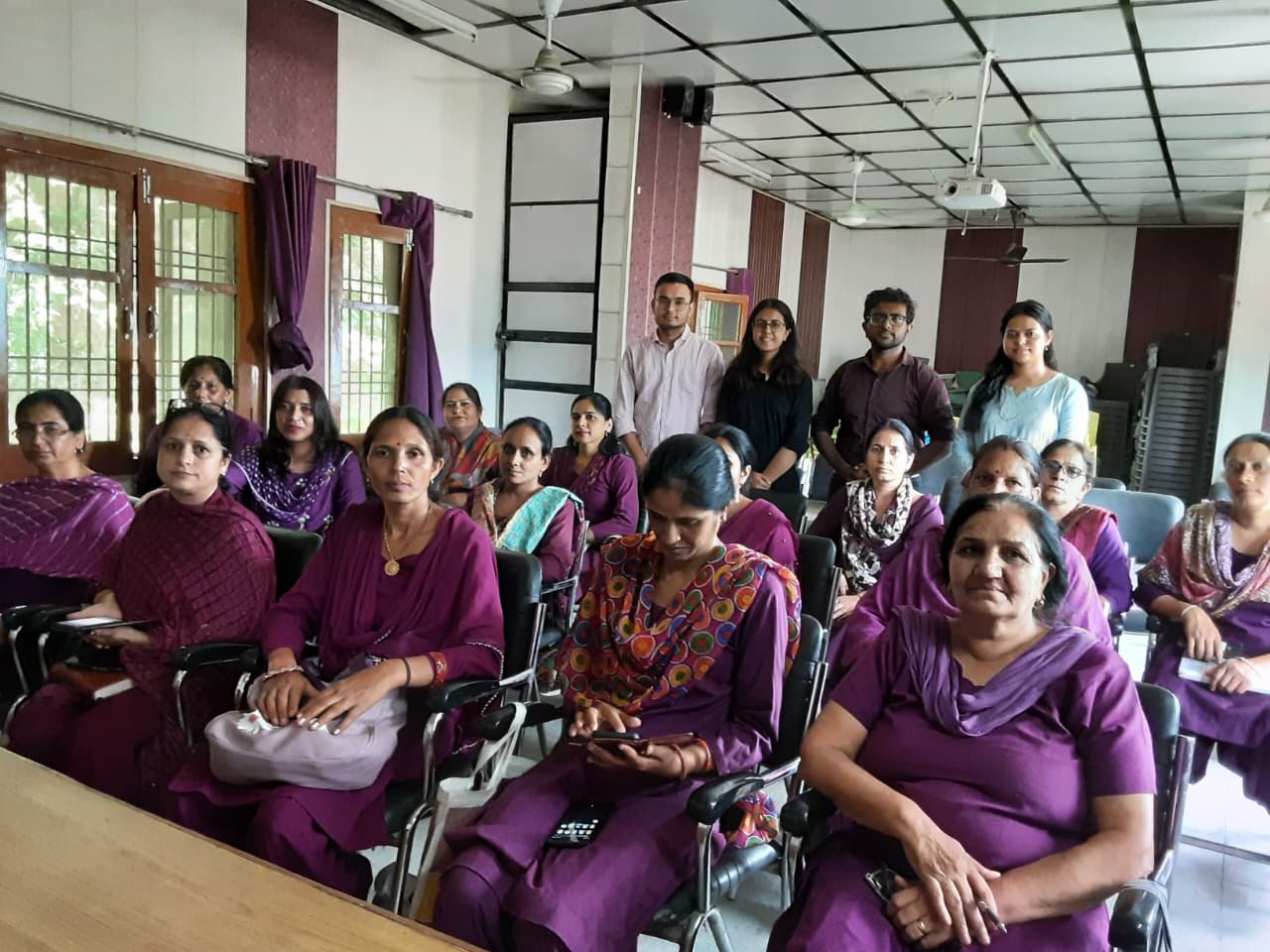
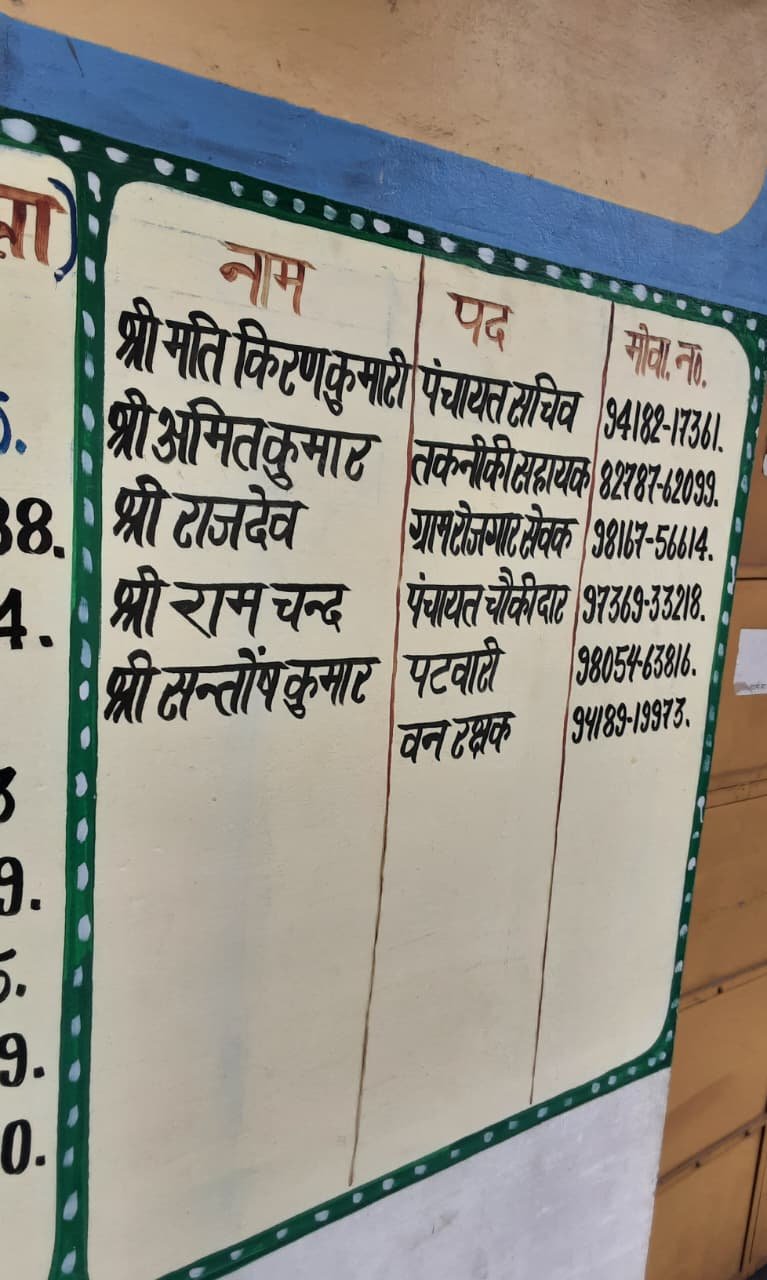
The field study in Hamirpur, Himachal Pradesh, was undertaken in 2022 to examine the implementation of government welfare schemes and public services at district and grassroots levels. The study involved visits to government offices, interactions with officials, examination of welfare programmes and field visits to Gram Panchayats. It examined relief assistance, digital monitoring, decentralised governance, MGNREGA, agriculture, livelihoods, social security, food distribution, electoral services and healthcare. The findings highlighted institutional strengths alongside challenges in irrigation, livelihood diversification, beneficiary awareness, administrative capacity and specialised healthcare.
Haryana Legislative Assembly Elections 2024: Electoral Survey and Voter Sentiment Analysis
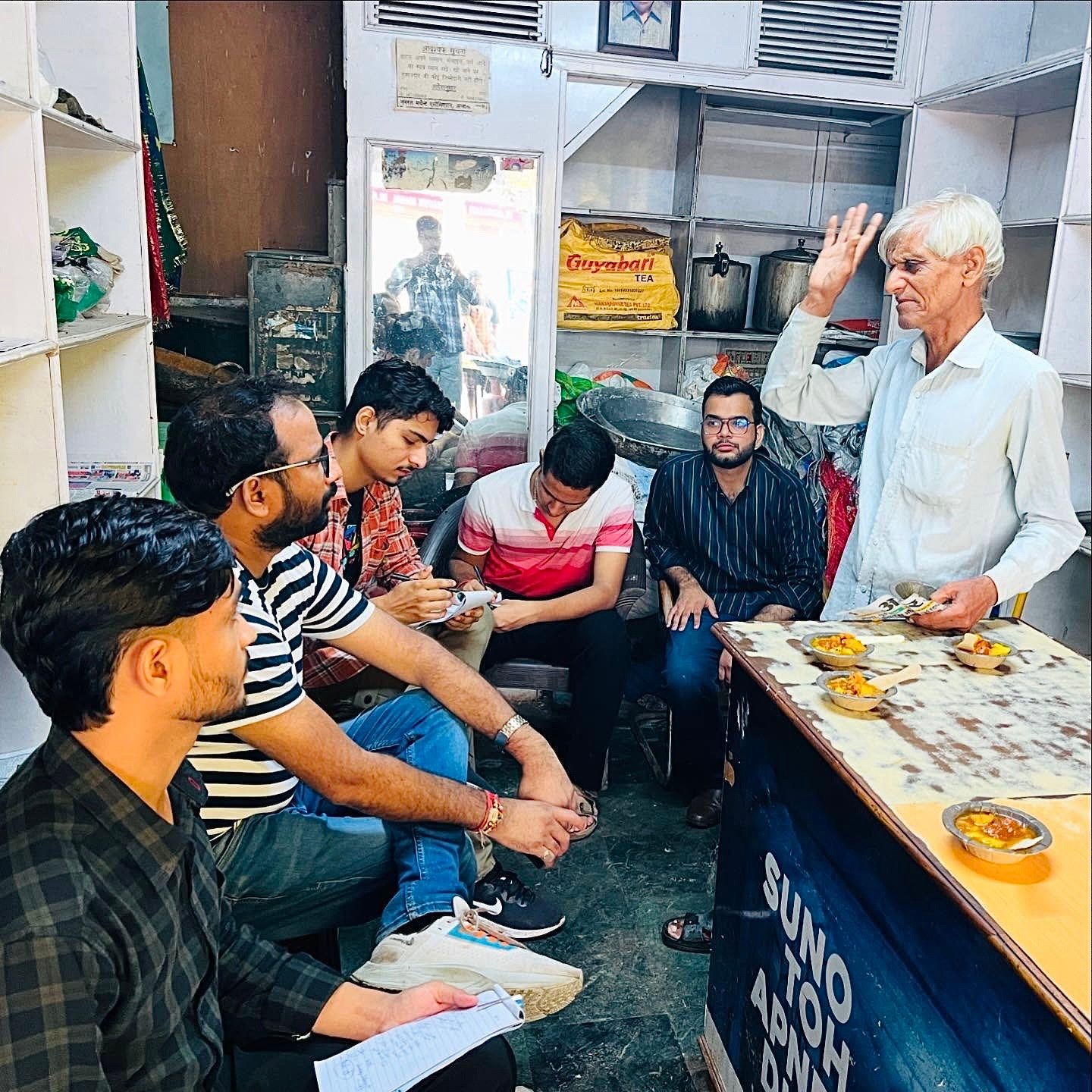
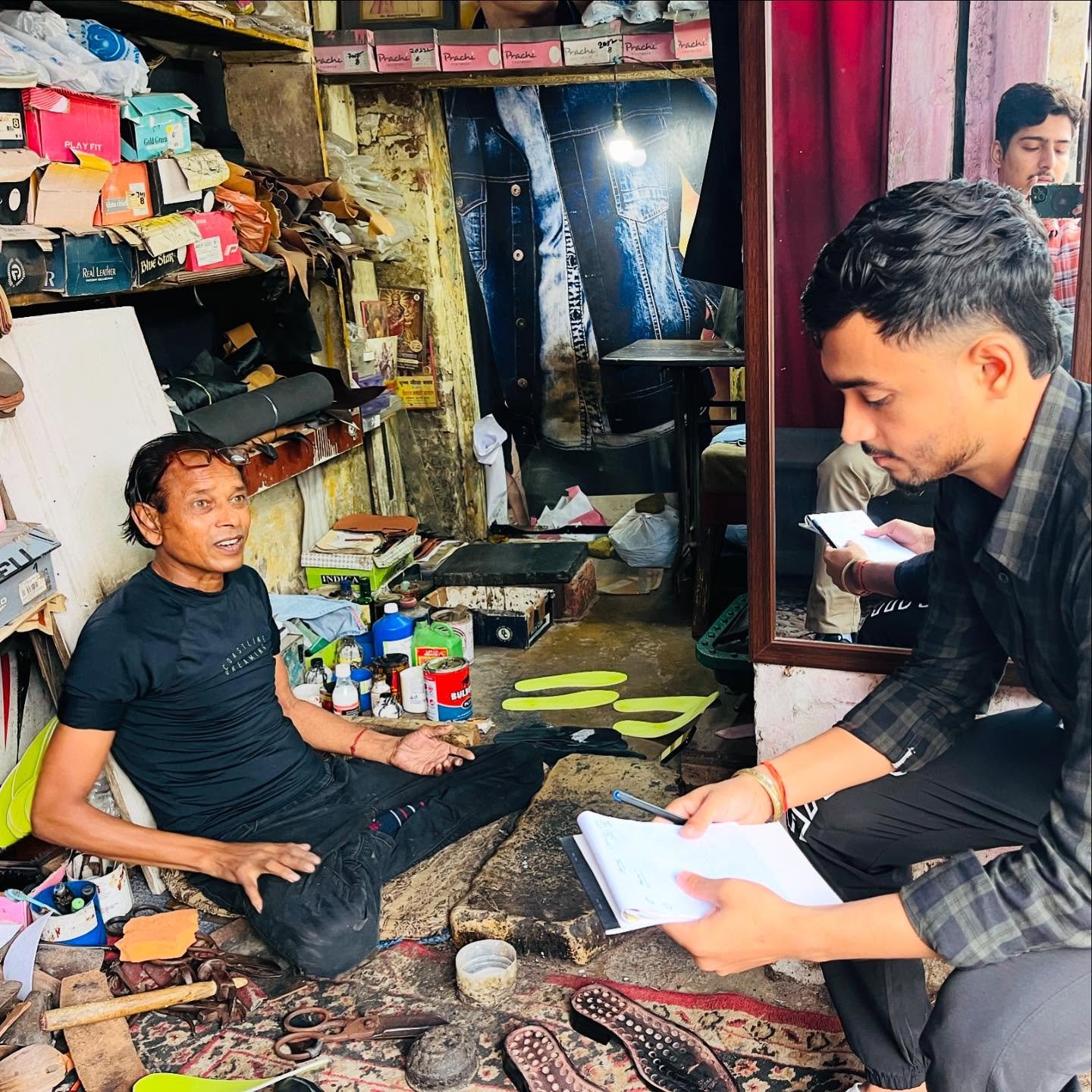
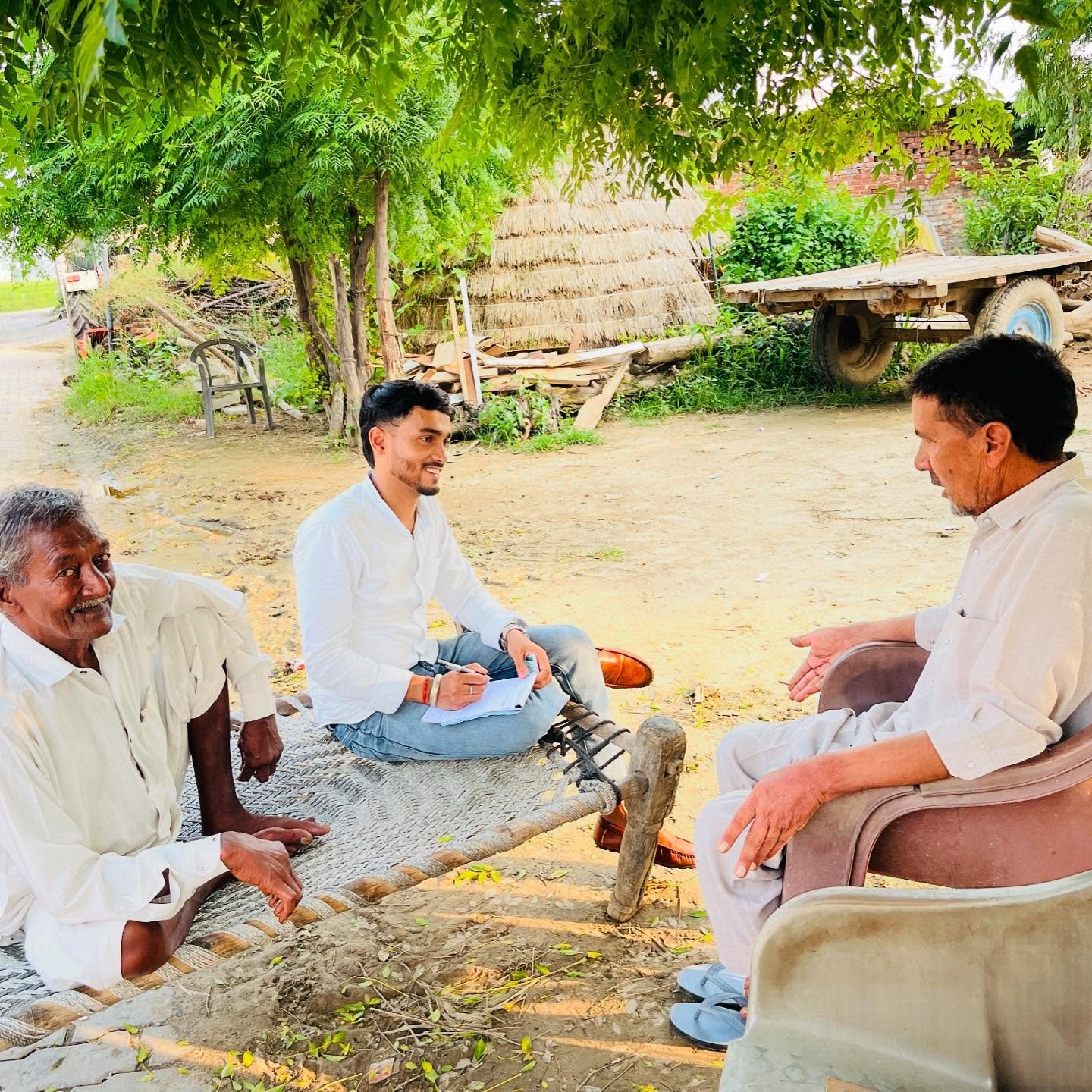
We conducted a field-based electoral survey ahead of the Haryana Legislative Assembly Elections 2024 to understand voter preferences, key electoral issues, leadership perceptions and emerging political trends. The survey was conducted from 14–16 September 2024 and covered 219 respondents across Ambala Cantt, Ambala City, Mulana (SC), Shahbad (SC) and Ladwa. Employment emerged as the dominant electoral issue. The survey also examined farmers' protests, government performance, leadership preferences, caste and community identities and the BJP–Congress contest. The study provides a grassroots snapshot of voter sentiment across five Assembly segments.
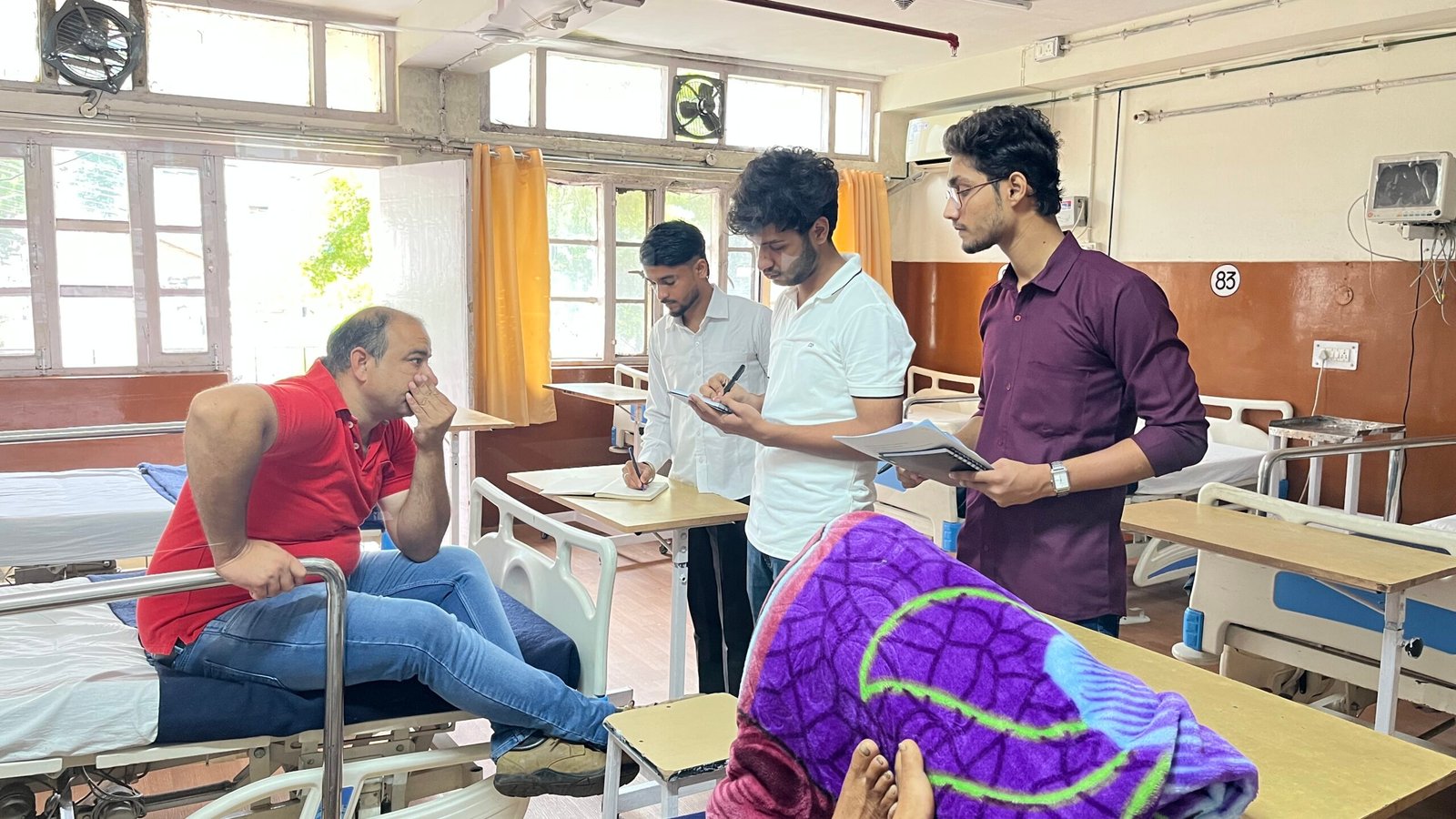
Kangra, Himachal Pradesh 2025: A Study of NPHCE and Elderly Healthcare Services
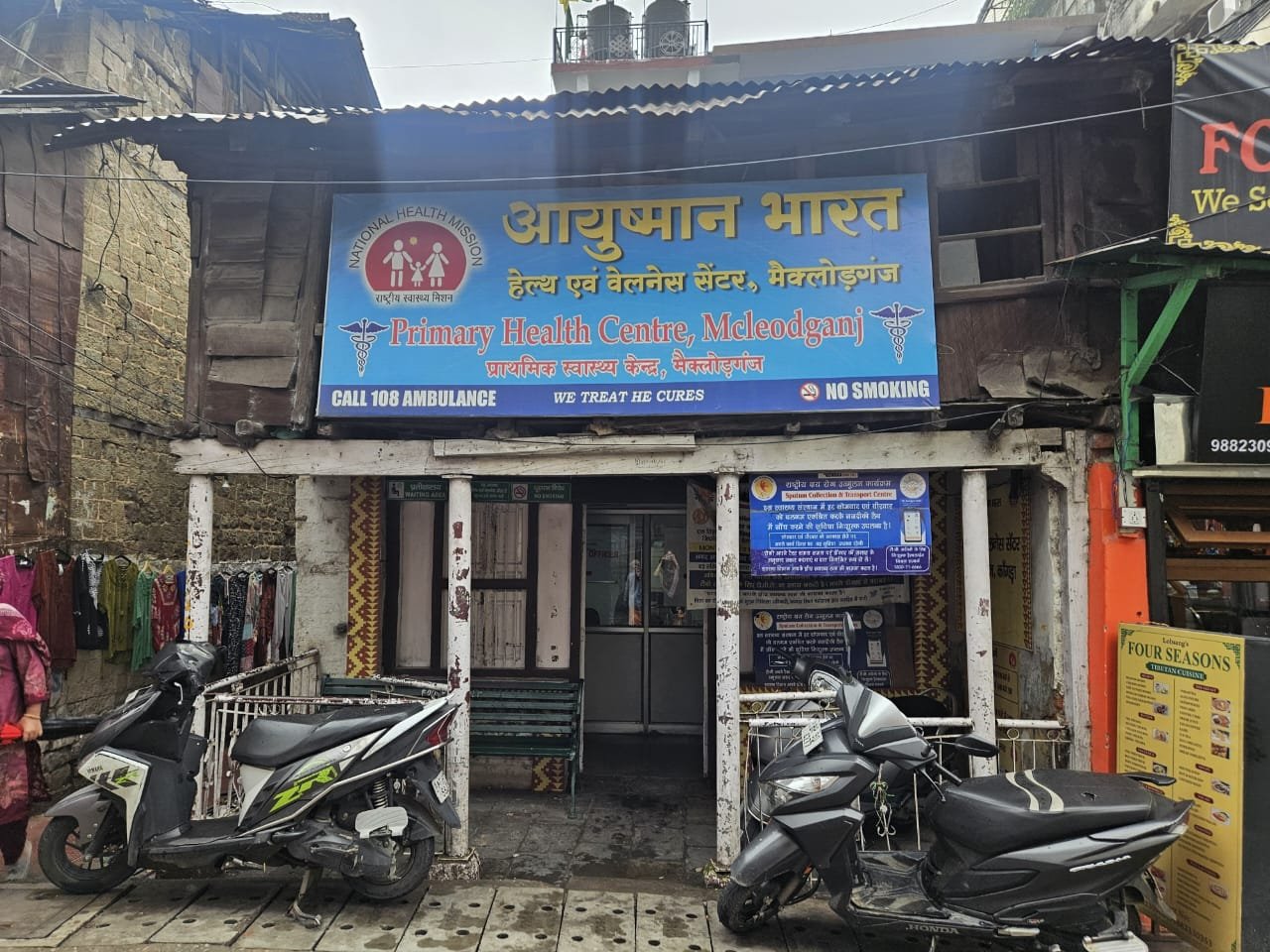
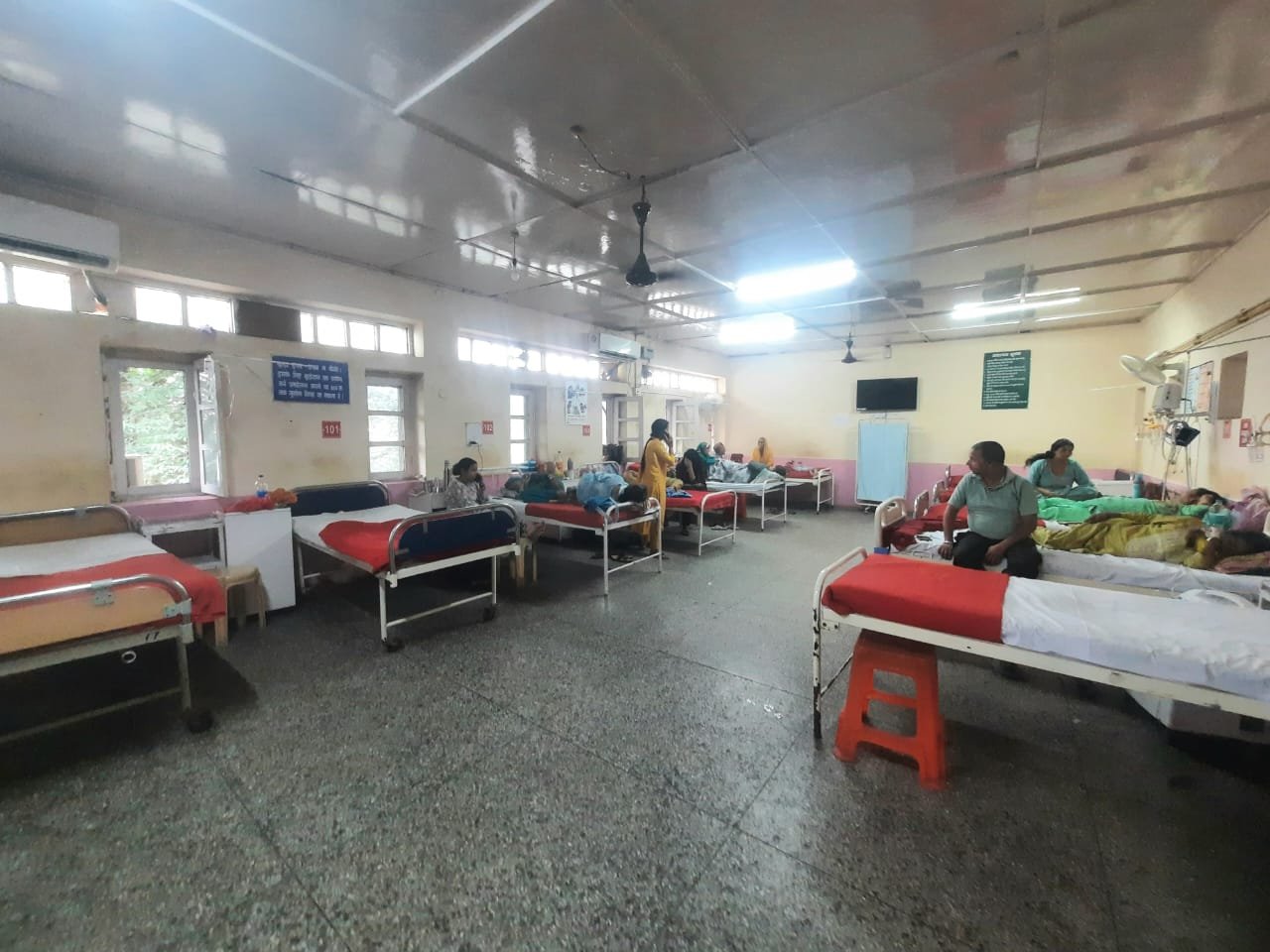
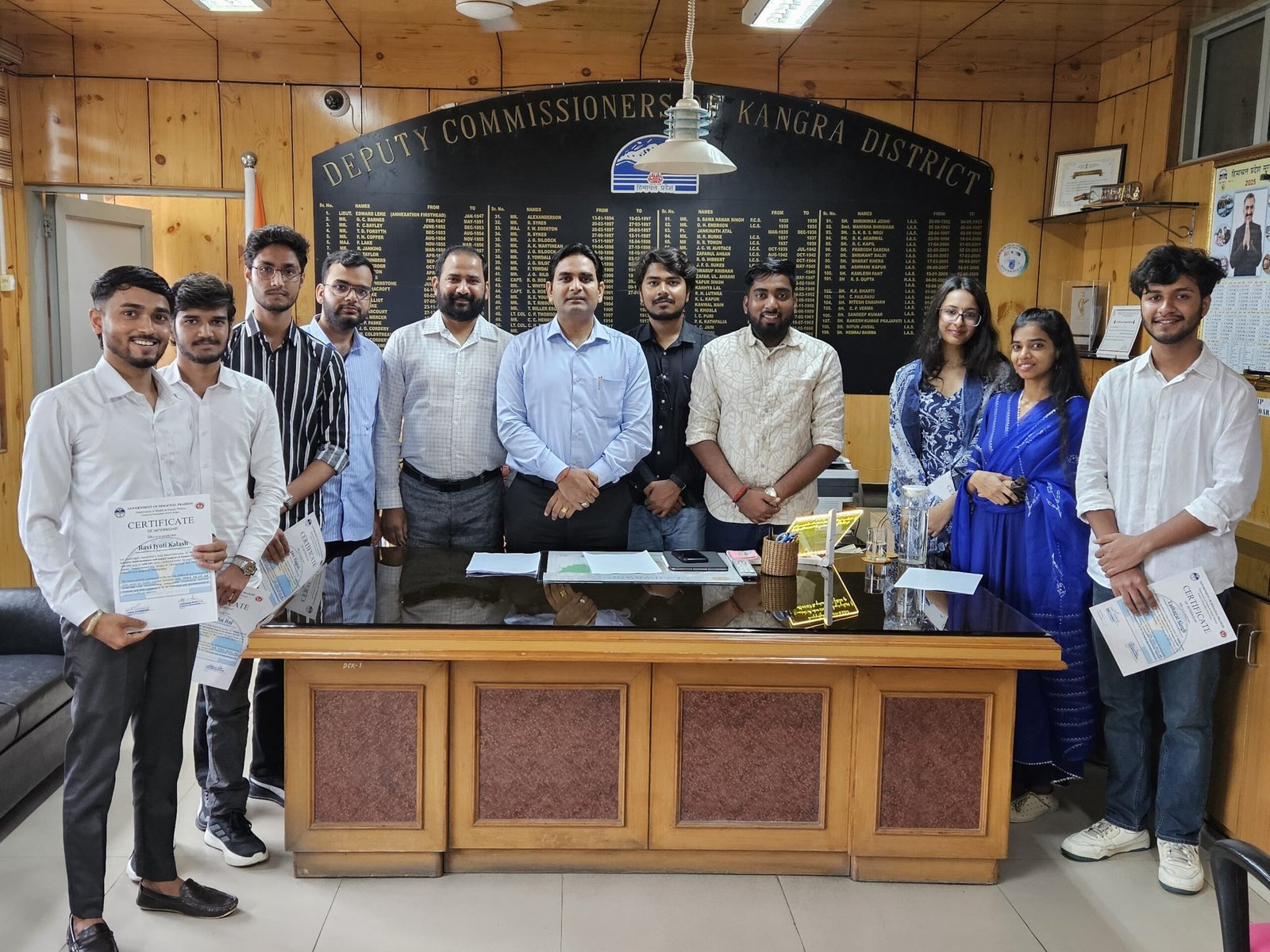
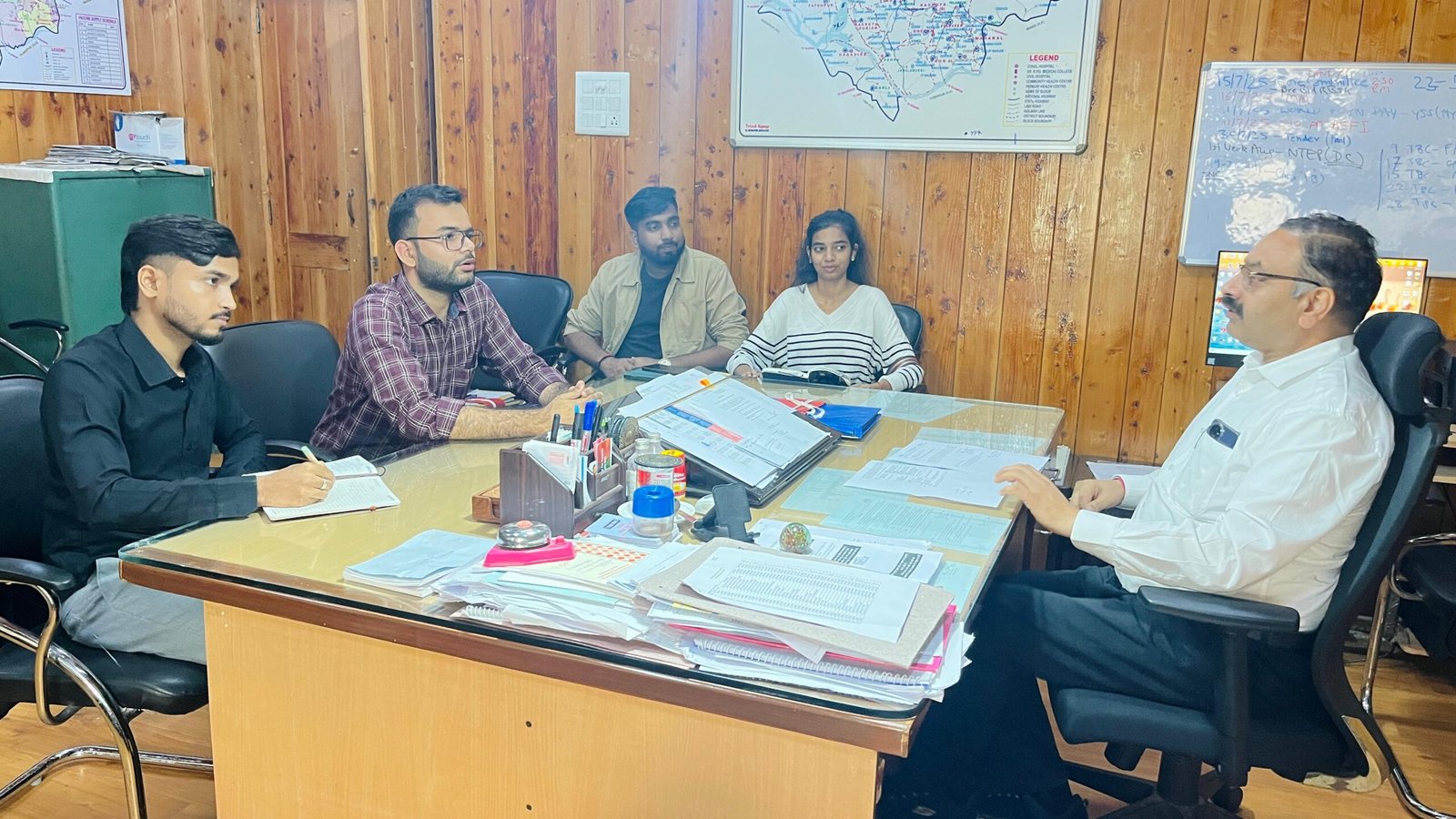
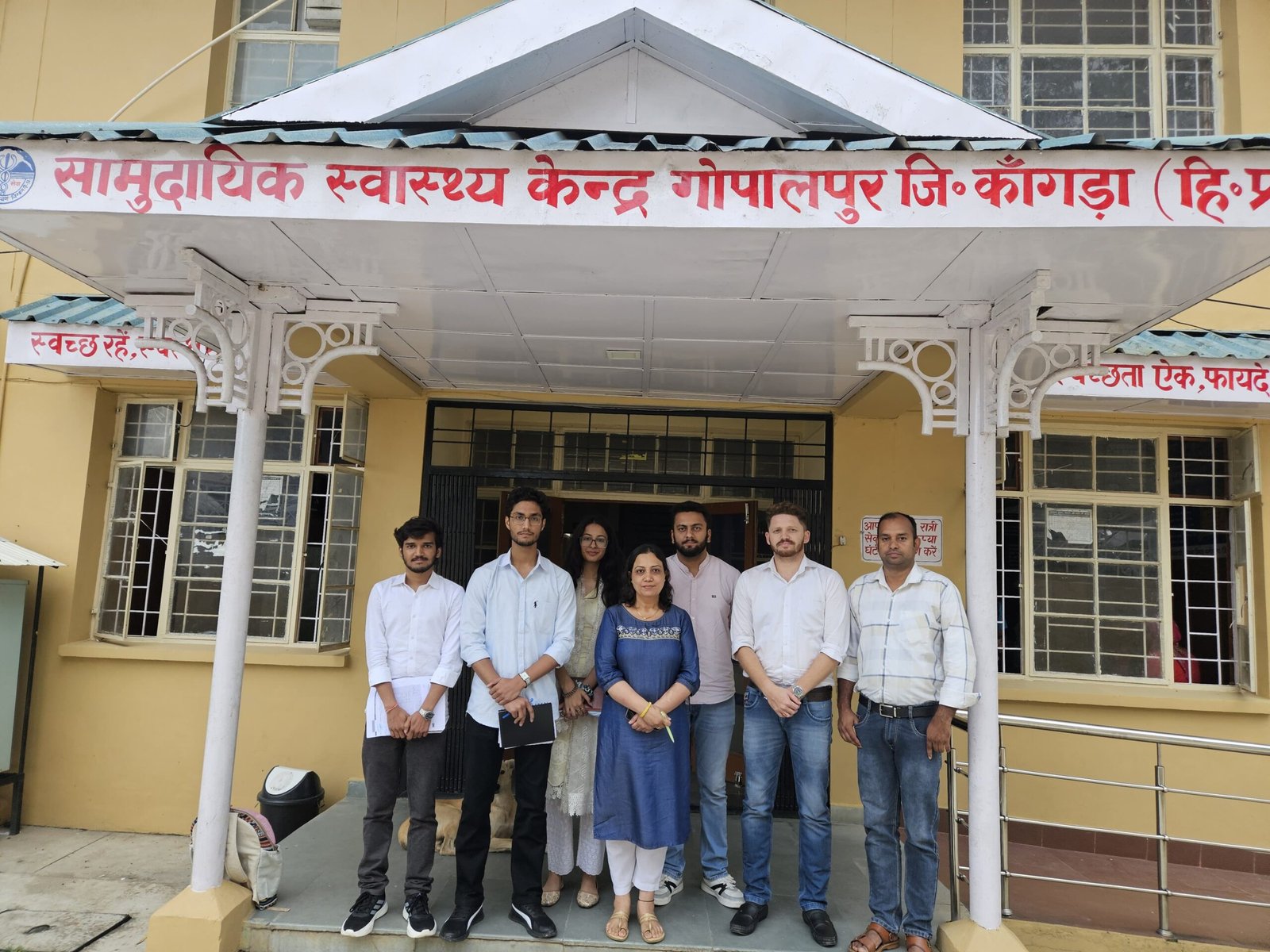
A field-based ethnographic study was conducted in Kangra district from 14th to 20th July 2025 with the District Administration and District Health and Family Welfare Department. The study examined PM-JAY, HIMCARE and the National Programme for Health Care of the Elderly (NPHCE). It covered hospitals, CHCs, PHCs, HWCs, Tanda Medical College, the District Ayurvedic Hospital and empanelled private hospitals. The research assessed healthcare access, financial protection, infrastructure, service delivery, geriatric care, beneficiary awareness and institutional functioning. Findings showed improved healthcare access alongside gaps in staffing, diagnostics, medicines, sanitation, geriatric services and reimbursement.
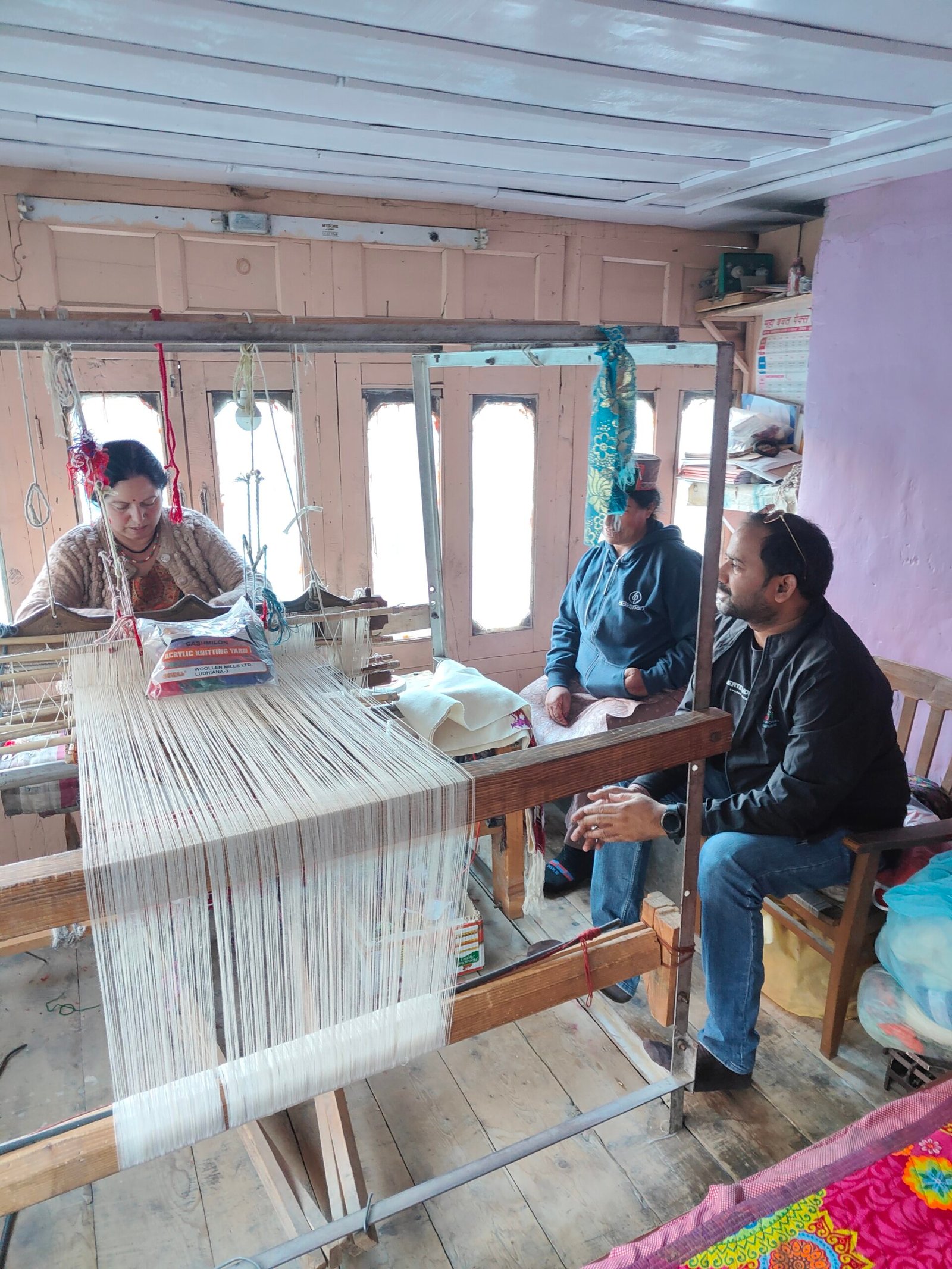
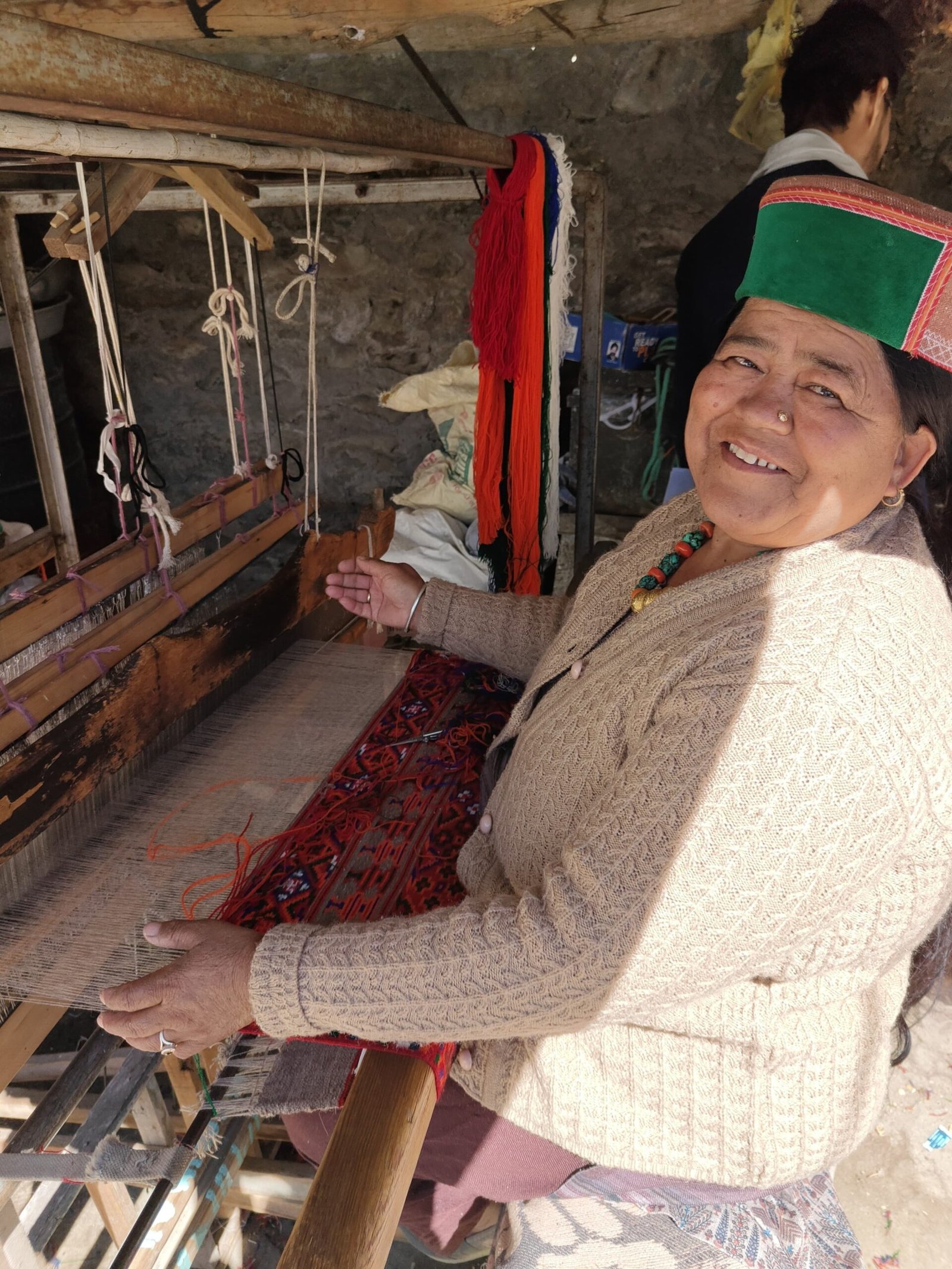
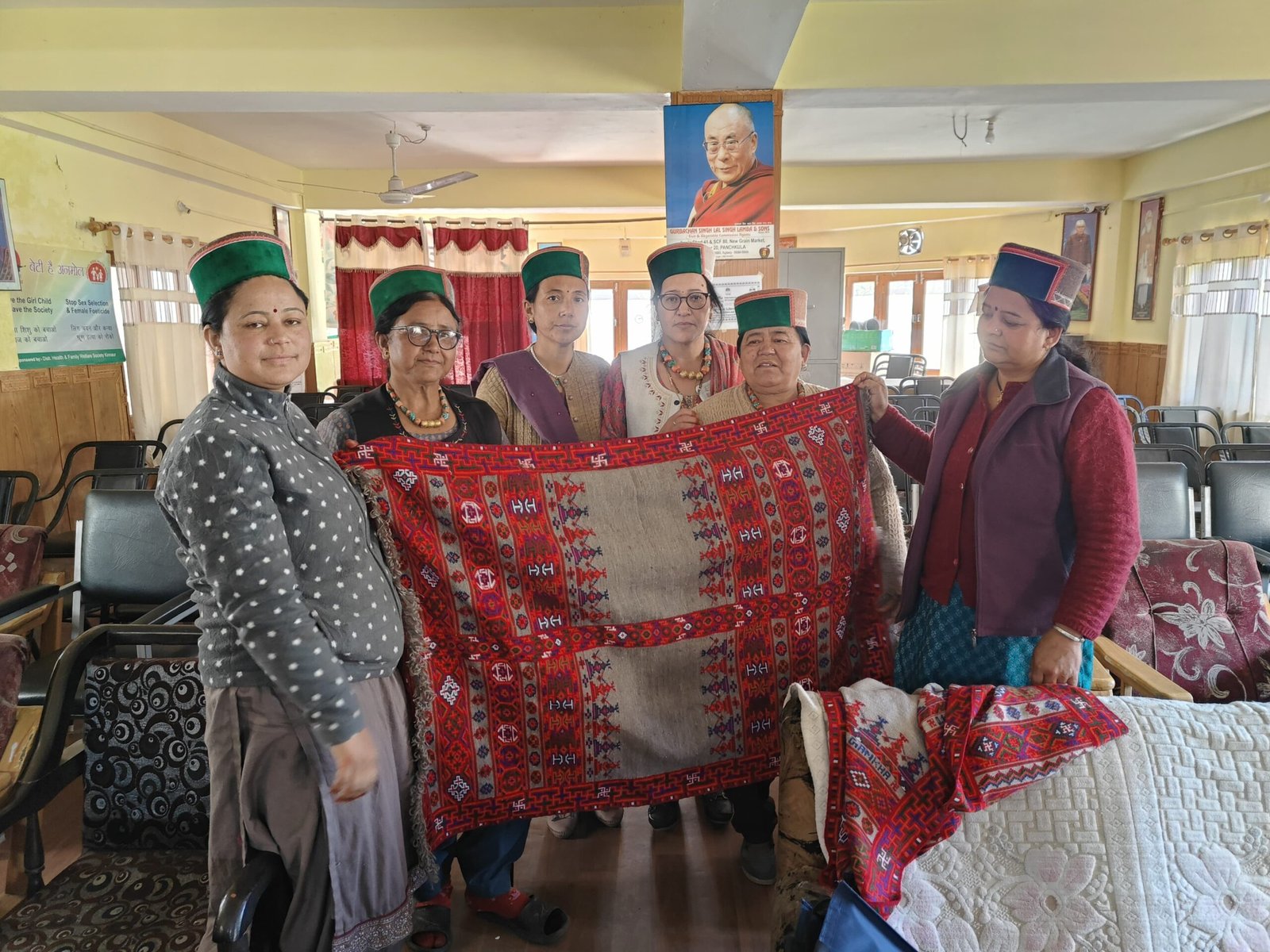
Kinnaur, Himachal Pradesh 2025: A Study of Geographical Indications and Local Development
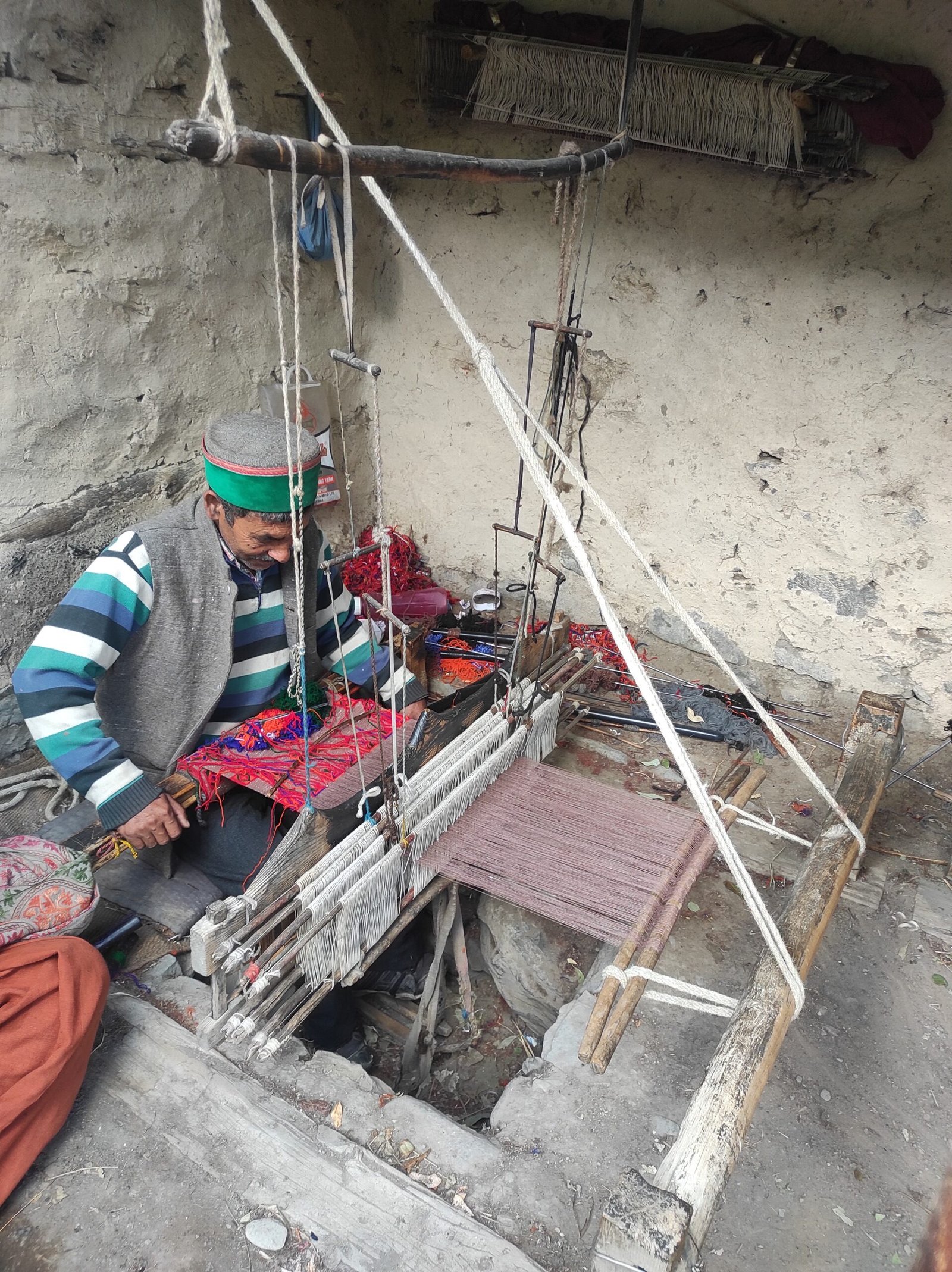
FIRST's 2025 internship highlight examined Geographical Indications and their socio-economic and political impact in Kinnaur district. The project covered nearly 35 villages across all five tehsils and examined Kinnauri Shawl, Himachali Chulli Apricot Kernel Oil and Himachali Kala Zeera. The mixed-method study included 165 household respondents and 50 SHG members. Findings showed increased producer incomes, stronger women's participation and preservation of cultural identity. At the same time, market-access gaps, youth migration, climate variability, limited packaging and e-commerce skills and unequal access to machinery remained important challenges.
Neemuch, Madhya Pradesh 2023: A Study of Rural Governance and Development
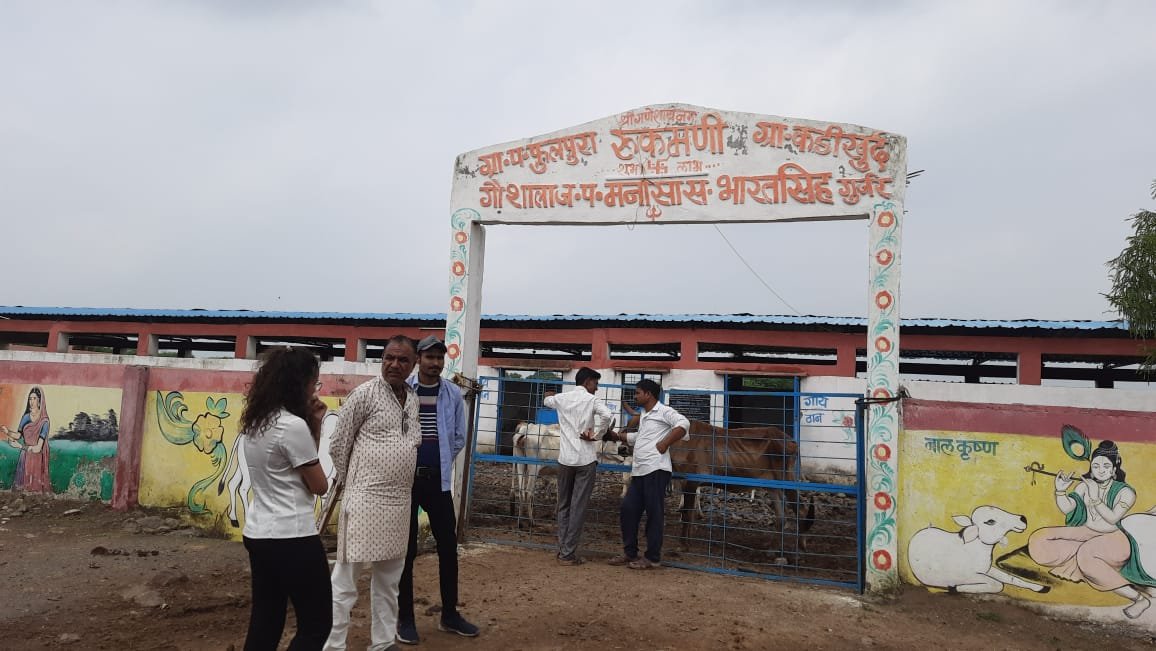
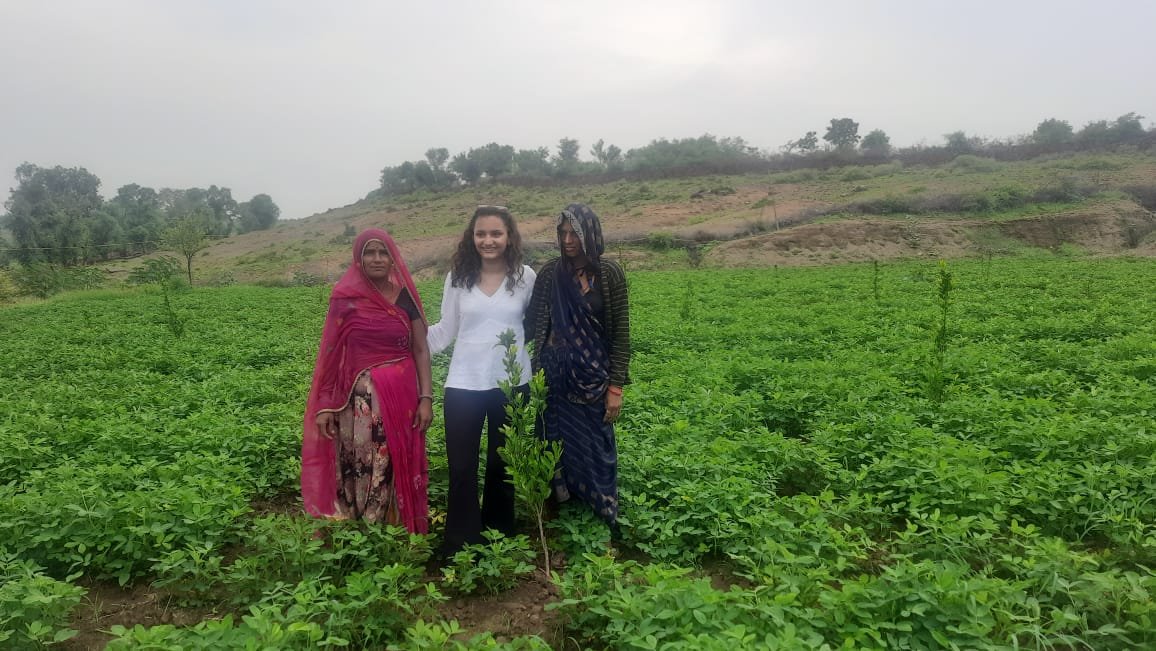
The field study in Neemuch was undertaken in 2023 to understand local governance institutions and rural development initiatives at the grassroots level. The study focused on Gram Panchayats, Janpad Panchayats, Self-Help Groups, Farmer Producer Organisations, watershed development and Panchayat-level infrastructure. Students interacted with officials from various government departments and examined decentralised institutions and development programmes. The fieldwork demonstrated the role of Panchayati Raj institutions in local governance, the importance of community organisations and the contribution of FPOs to agricultural development. It also highlighted institutional coordination and locally responsive implementation.
Palamu and Khunti, Jharkhand 2024: A Study of PESA and Tribal Governance
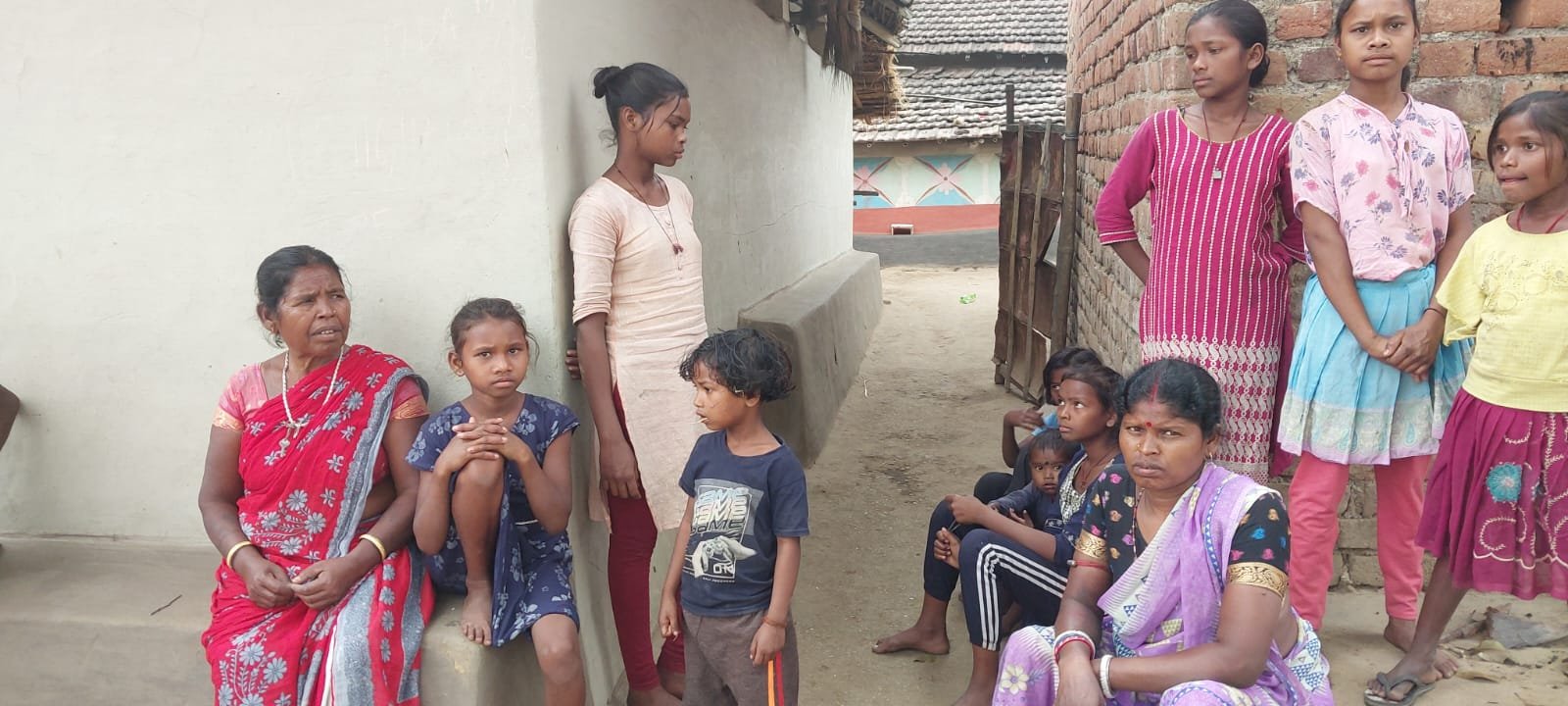
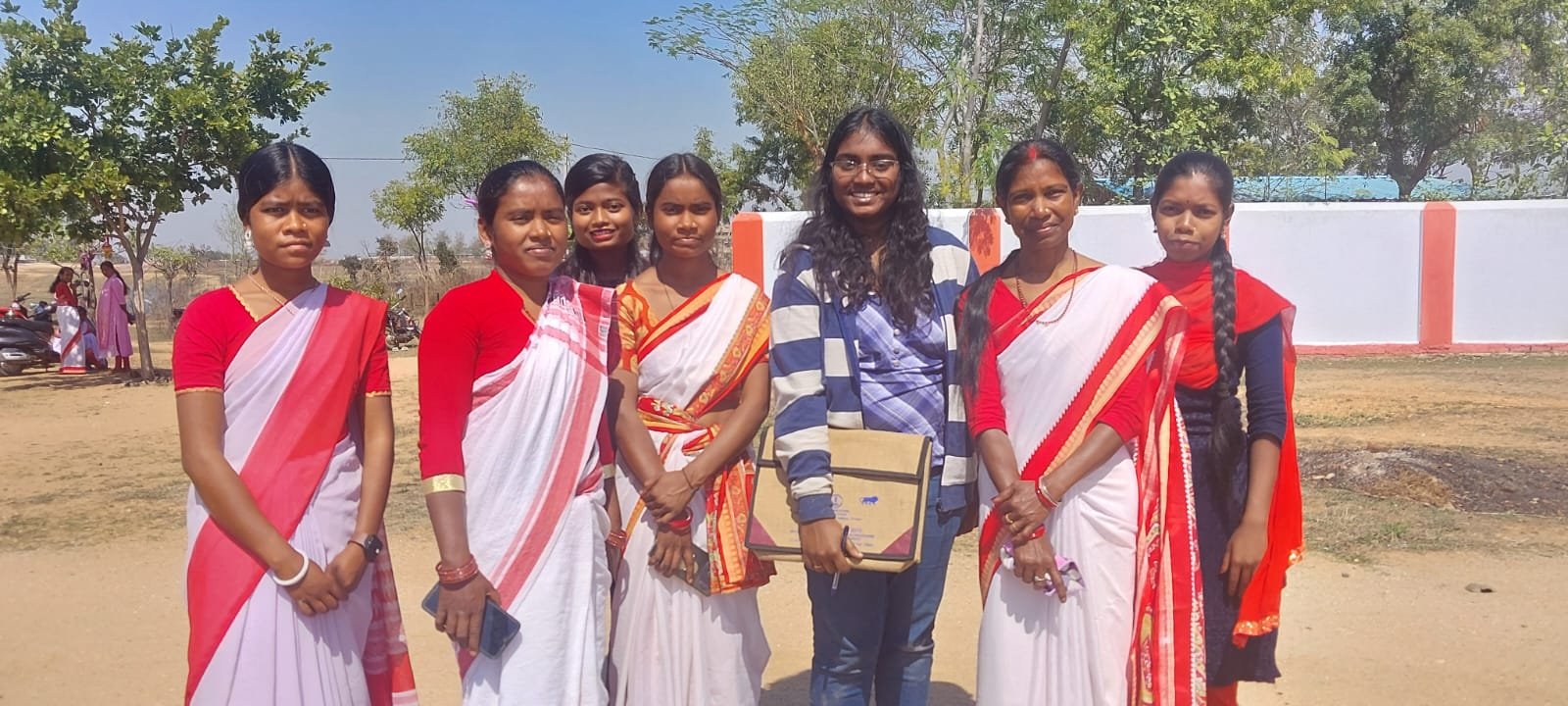
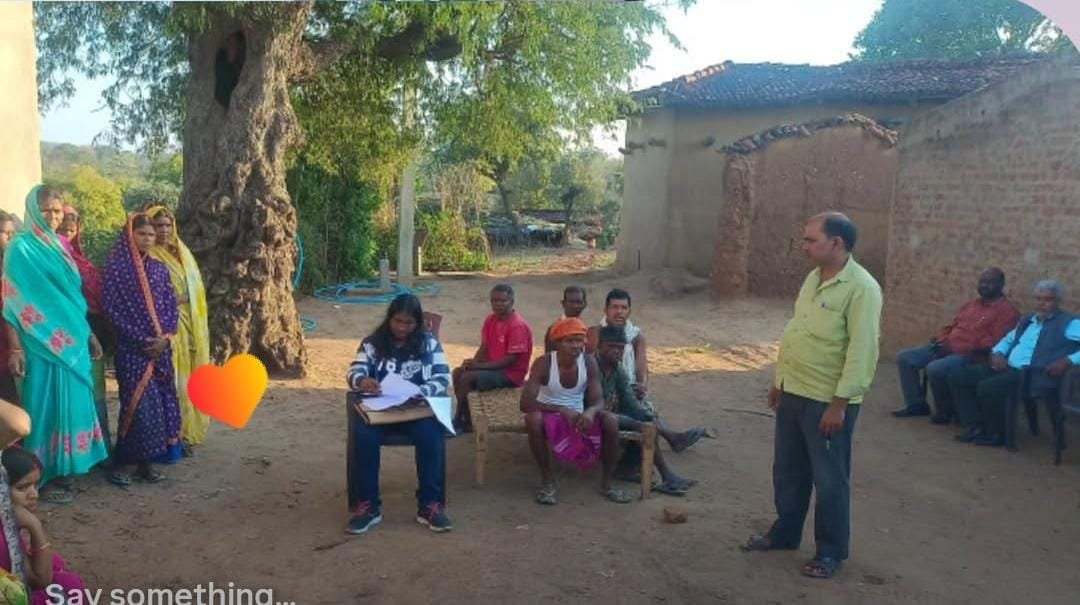
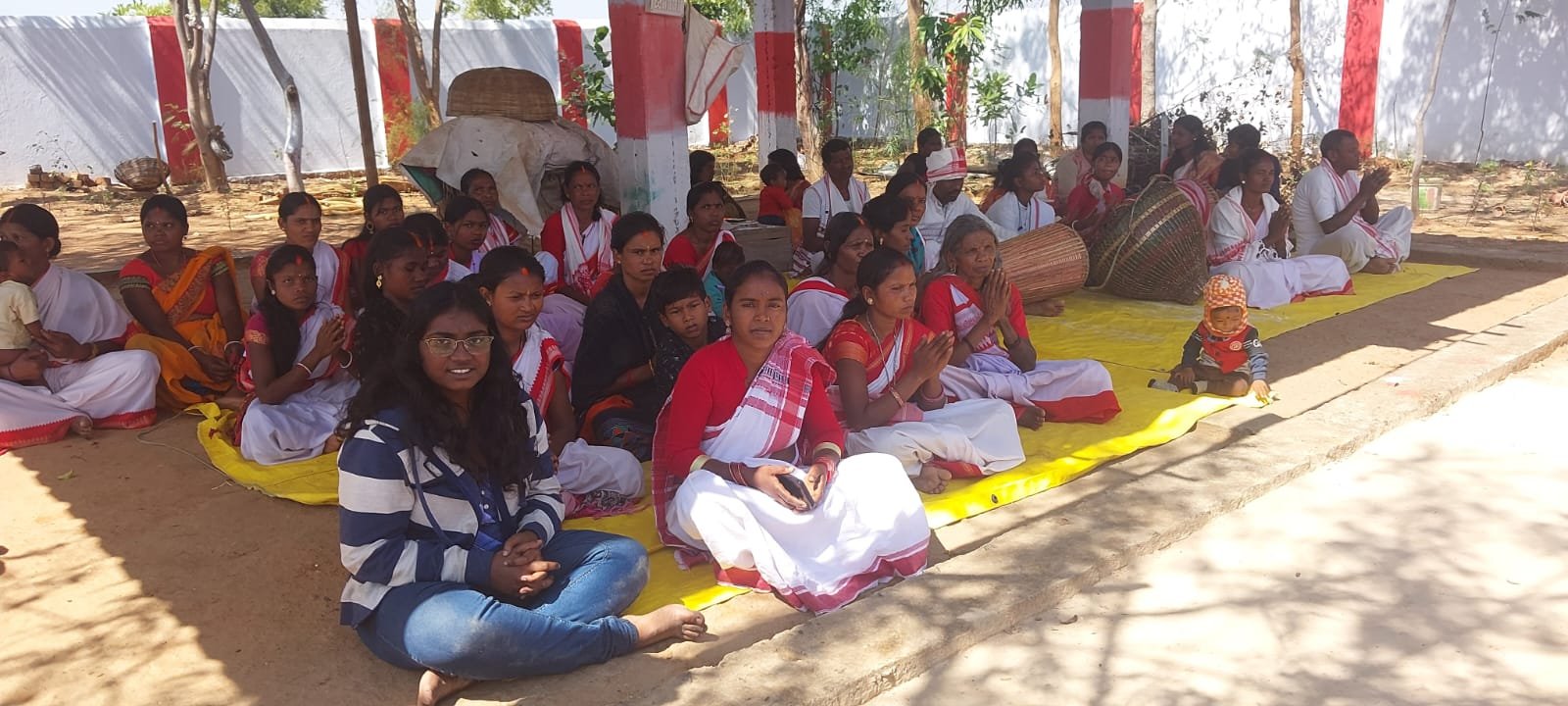
The field study conducted in Palamu and Khunti districts of Jharkhand in 2024 examined the implementation of PESA and its implications for tribal governance, grassroots democracy and socio-economic development. The study assessed whether PESA strengthened Gram Sabha, community participation and local decision-making while examining women's participation in Panchayati Raj institutions. Fieldwork covered villages in Palamu and Bokaro and included a household survey of 105 households. Major findings included limited awareness of PESA, weak Gram Sabha functioning, deficiencies in basic services, livelihood insecurity, migration and challenges in women's substantive political participation. The study highlighted the gap between the legal framework of decentralisation and practical implementation.
Bhadohi, Uttar Pradesh 2023: A Study of Local Governance and Public Institutions
The field study in Bhadohi, Uttar Pradesh, was undertaken in 2023 as a fourteen-day administrative and experiential learning programme designed to provide students with first-hand exposure to the functioning of local governance institutions. The programme involved visits to a wide range of administrative, developmental, welfare and public service institutions at the district and sub-district levels. Through direct interaction with government officials and observation of institutional processes, the study enabled students to connect classroom-based concepts of governance and public administration with their practical implementation at the local level.
Key Findings
The study provided extensive exposure to district and sub-district administrative institutions, including the offices of the Sub-Divisional Magistrates at Aurai and Gyanpur and the Block Development Offices at Aurai and Bhadohi. These interactions provided an understanding of administrative hierarchies, institutional responsibilities and the processes through which government programmes and local development initiatives are implemented.
The fieldwork also examined the role of specialised departments in agricultural and rural development. Visits to the Agriculture and Horticulture Departments provided insight into institutional mechanisms through which sector-specific programmes are implemented. The study demonstrated that rural development involves both Panchayati Raj institutions and specialised departments responsible for agriculture, horticulture and related developmental activities.
An important component of the programme was exposure to electoral administration and district-level data management. Interaction with district election administration provided practical insight into electoral governance, while the Economics and Statistics Department demonstrated the importance of systematic data collection and management in supporting district-level planning and decision-making.
The study also covered departments dealing with child development and nutrition, social welfare, industries, food and civil supplies, and public health. These interactions provided an understanding of the diverse responsibilities of government institutions in welfare provision and public service delivery.
Overall Assessment
The Bhadohi field study demonstrated that local governance is a multi-level and multi-sectoral process, involving coordination among administrative offices and specialised government departments. The fourteen-day programme highlighted how different institutions contribute to development, welfare and public service delivery within their respective areas. It also demonstrated that effective governance depends upon institutional coordination, administrative capacity, specialised expertise and responsive implementation.
Significance of the Study
The study provided students with valuable first-hand exposure to the functioning of local governance institutions, complementing theoretical learning with practical institutional experience. By covering administration, revenue, elections, agriculture, horticulture, statistics, welfare, nutrition, industry, food security and public health, the fieldwork offered a broad understanding of the responsibilities of government at the local level.
Delhi Assembly Election 2025: A Survey Analysis of Voter Behaviour, Political Preferences, and Electoral Trends
The 2025 Delhi Assembly elections witnessed a major political shift, with 15.5 million registered voters contesting 70 seats and a voter turnout of 60.54% - the lowest in 17 years and 2.28 percentage points lower than in 2020. To understand the voting swing before the election, our members had undertaken a pre-election survey from 22nd January 2025 to 3rd February 2025, gathering 1,000+ responses.
The survey sought to capture public opinion on key political, socio-economic and governance-related issues influencing electoral preferences. Particular emphasis was placed on political manifestos, welfare schemes and freebie politics, leadership perceptions and party credibility. The team visited 10 major constituencies and analysed voting patterns across lower middle class, upper middle class, service class, business class and elite class.
Key Findings
Political competition was primarily bipolar, with BJP (47%) and AAP (44%) emerging as the dominant political preferences among respondents.
Leadership played a decisive role in shaping voter choices, with the “Modi factor” influencing 36% of respondents and the “Kejriwal factor” influencing 28%. Welfare schemes and freebie politics remained important considerations for nearly one-fourth of voters.
A majority of respondents viewed governance through a multi-issue lens, identifying employment, education, healthcare, infrastructure, law and order, corruption and women's safety as interconnected concerns.
Caste and community identities appeared less influential in electoral decision-making, with most respondents indicating that these factors did not determine their vote choice. Women voters demonstrated a distinct preference pattern, with 54% expressing support for AAP compared to 35% for BJP.
Overall Assessment
The survey revealed an electorate that is increasingly informed, issue-oriented and performance-conscious. Voters were influenced not only by party affiliations but also by leadership credibility, welfare delivery, governance outcomes and perceptions of future development.
The close contest between BJP and AAP reflected a highly competitive electoral environment characterised by voter volatility and evolving political expectations. While half of the respondents believed AAP would return to power and only 45% predicted a BJP government, the BJP ultimately secured a decisive majority with 48 out of 70 seats.
This difference highlights an important feature of India's first-past-the-post electoral system: a relatively small vote-share advantage can translate into a much larger seat advantage when support is efficiently distributed across constituencies.
Significance of the Study
This study provides an empirical snapshot of voter sentiment in Delhi immediately before the 2025 Assembly Elections. By combining quantitative survey data with qualitative interviews and field observations across ten major constituencies, it offers a comprehensive understanding of the socio-political factors influencing electoral behaviour.
Hamirpur, Himachal Pradesh 2022: A Study of Welfare Schemes and Public Service Delivery
The field study in Hamirpur, Himachal Pradesh, was undertaken in 2022 to examine the implementation of government welfare schemes and public services at district and grassroots levels. Hamirpur has an area of 1,118 sq. km., a population of 4,54,768, and nearly 92% of its population resides in rural areas.
Strengthening of Welfare Administration and Digital Monitoring
The study examined relief assistance under SDRF and NDRF, covering natural disasters, accidental deaths and other calamities. Hamirpur had been allocated ₹17.30 crore under the relief scheme during the period examined. The use of the Scheme Monitoring Information System reflected increasing digitisation and enabled officials to track applications through different stages.
Decentralised Governance and Local Development
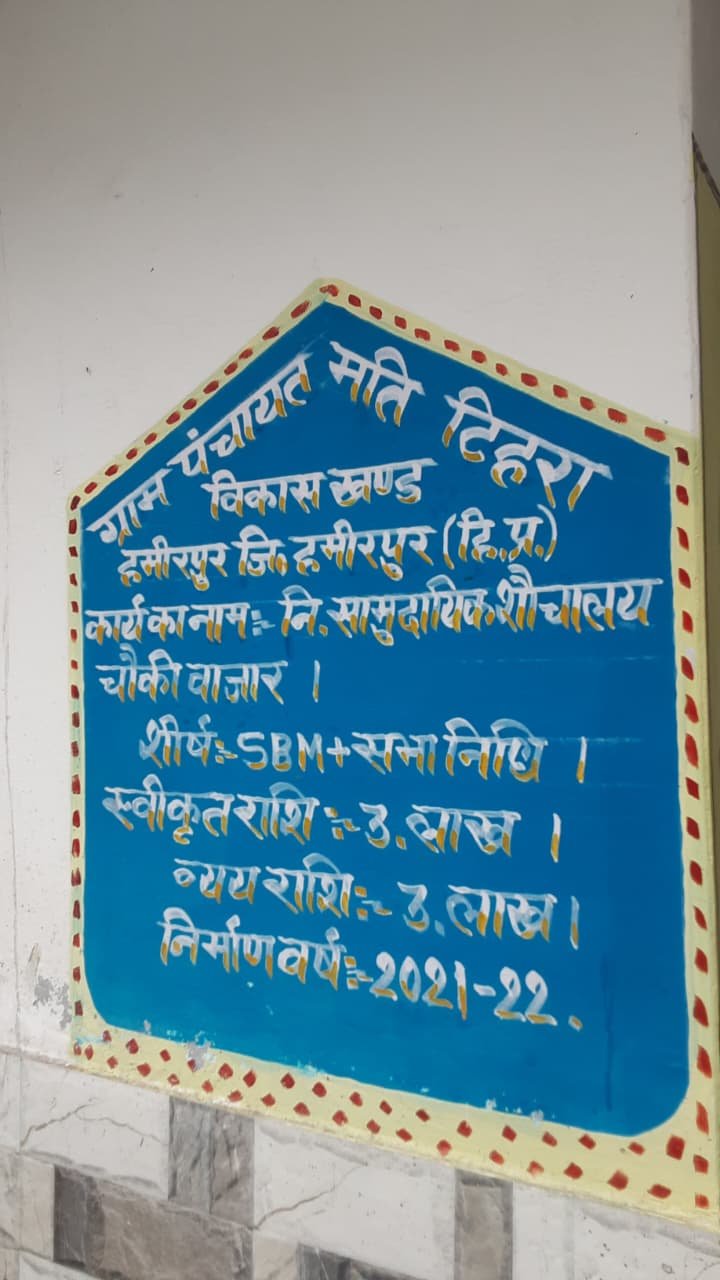
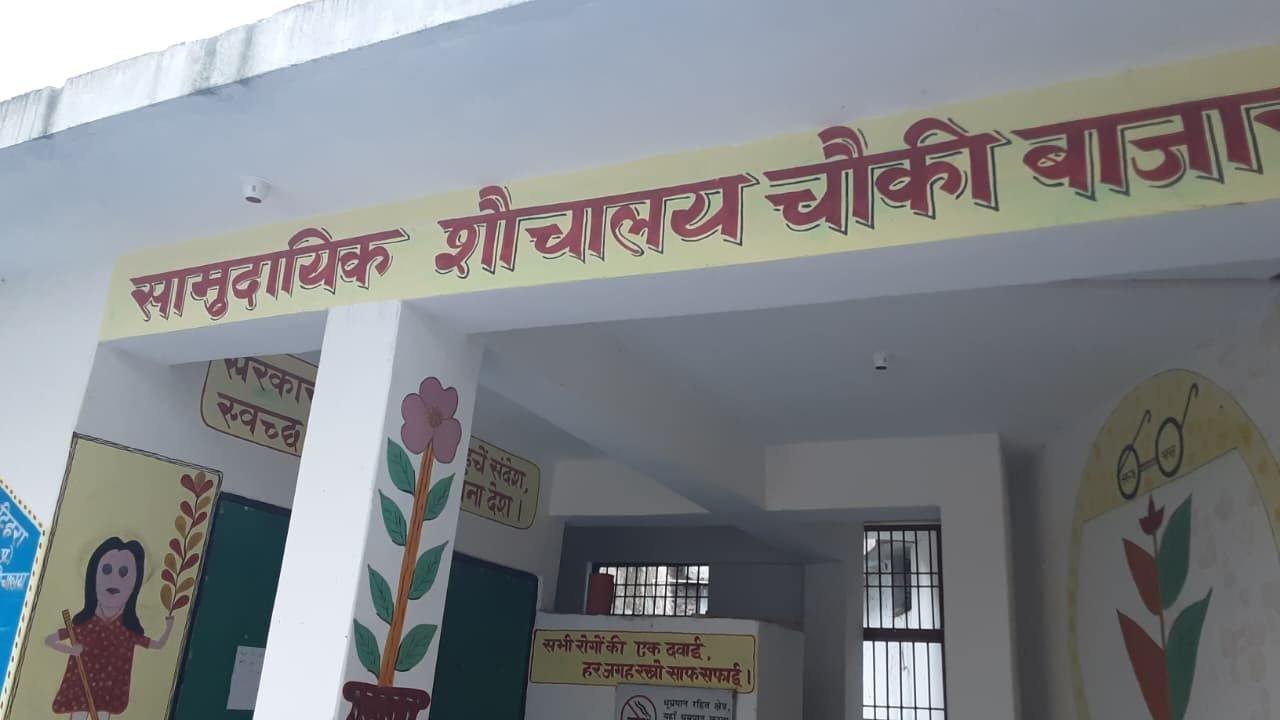
Visits to Gram Panchayat Mati Tihra and Bassi Jhaniara demonstrated the functioning of Panchayati Raj institutions. Gram Sabha meetings, Panchayat-level planning and record maintenance were observed alongside development works including roads, drainage systems, sanitation complexes and check dams.
MGNREGA and Accountability Mechanisms
The implementation of MGNREGA incorporated geo-tagging, social audits and multiple levels of inspection for monitoring public works. These mechanisms indicated an effort to strengthen transparency and accountability in rural employment and development programmes.
Agricultural Development amid Irrigation Constraints
Around 76,000 families were dependent on farming, with an average landholding of 1.4 acres, while only approximately 17% of agricultural land had proper irrigation. Government interventions included irrigation support, polyhouses, horticulture, mushroom cultivation and crop diversification.
Livelihood, Welfare and Public Service Delivery
Hamirpur had 1,817 industrial and service units involving investment of ₹115.83 crore and providing employment to 6,462 individuals. The study also examined social security pensions, food distribution under the National Food Security Act and digitised e-POS systems.
Healthcare Availability and Gaps
Healthcare facilities included dialysis, chemotherapy, ICUs and neonatal care. However, the absence of dedicated oncology and super-speciality facilities represented an important gap.
Overall Assessment
The study indicated that Hamirpur had developed significant institutional mechanisms for welfare delivery through decentralised governance, digitisation, social monitoring and public service infrastructure. Challenges remained in irrigation, livelihood diversification, beneficiary awareness, administrative capacity and specialised healthcare.
Significance of the Study
The study provides a grassroots assessment of welfare schemes and public service delivery in Hamirpur, connecting government policies with their practical implementation and demonstrating the importance of field-based research in identifying achievements as well as implementation gaps.
Haryana Legislative Assembly Elections 2024: Electoral Survey and Voter Sentiment Analysis
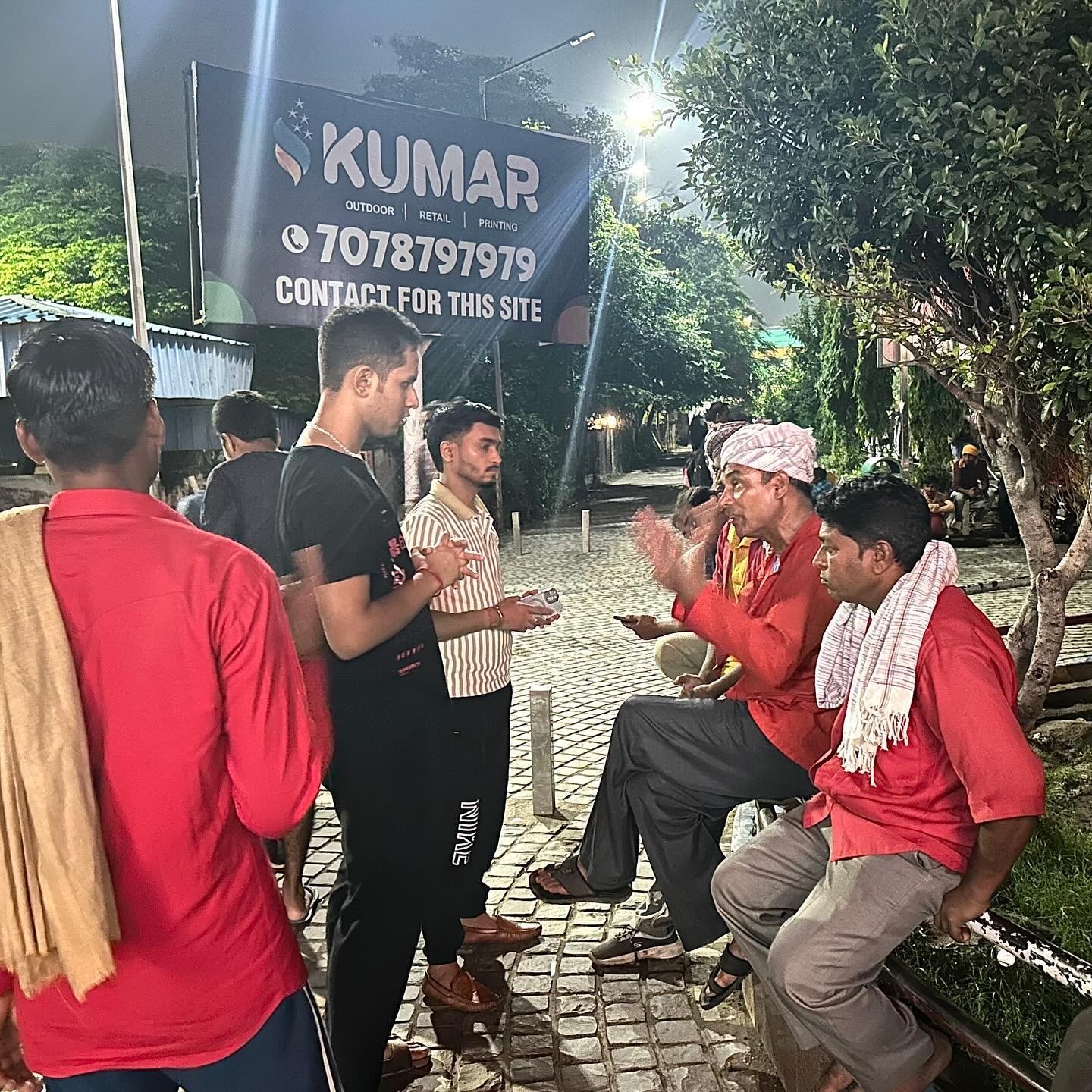
We conducted a field-based electoral survey ahead of the Haryana Legislative Assembly Elections 2024 to understand voter preferences, key electoral issues, leadership perceptions and emerging political trends.
The survey was conducted from 14–16 September 2024 and covered 219 respondents across five Assembly segments: Ambala Cantt, Ambala City, Mulana (SC), Shahbad (SC) and Ladwa.
Competitive BJP–Congress Contest
51.14% of respondents expressed political orientation towards the Indian National Congress, compared with 40.18% for the Bharatiya Janata Party. 60.73% believed Congress would form the government, compared with 31.96% expecting the BJP.
Employment as the Dominant Electoral Issue
Employment emerged as the single most important voting factor, identified by 41.09% of respondents. Other concerns included education, corruption, healthcare, law and order and infrastructure.
Farmers’ Protest as the Most Influential Recent Event
The farmers’ protest was identified by 42% of respondents as most likely to influence their vote, followed by the Agniveer scheme and Ram Mandir.
Mixed Assessment of Government Delivery
Government scheme delivery was closely divided: 51.59% expressed satisfaction, while 46.57% were dissatisfied.
Leadership Preferences
Bhupinder Singh Hooda emerged as the leading leadership figure. 53.42% identified him as Haryana's best Chief Minister to date, followed by Nayab Singh Saini and Manohar Lal Khattar.
Limited Role of Caste in Stated Voting Preferences
Despite Haryana's caste politics, 75.34% stated that caste or community did not determine their voting preference, while 24.65% said it did.
Overall Assessment
The survey reflected anti-incumbency sentiment among respondents, driven by concerns over employment, farmers' grievances, the Agniveer scheme, infrastructure, inflation and governance. It indicated a direct BJP–Congress contest and limited regional-party influence.
Significance of the Study
The survey provides a grassroots snapshot of voter sentiment in selected Haryana Assembly segments before the 2024 elections. The findings represent 219 respondents across five segments and should be viewed as a field-survey snapshot rather than a statistically representative statewide estimate.
Kangra, Himachal Pradesh 2025: A Study of NPHCE and Elderly Healthcare Services
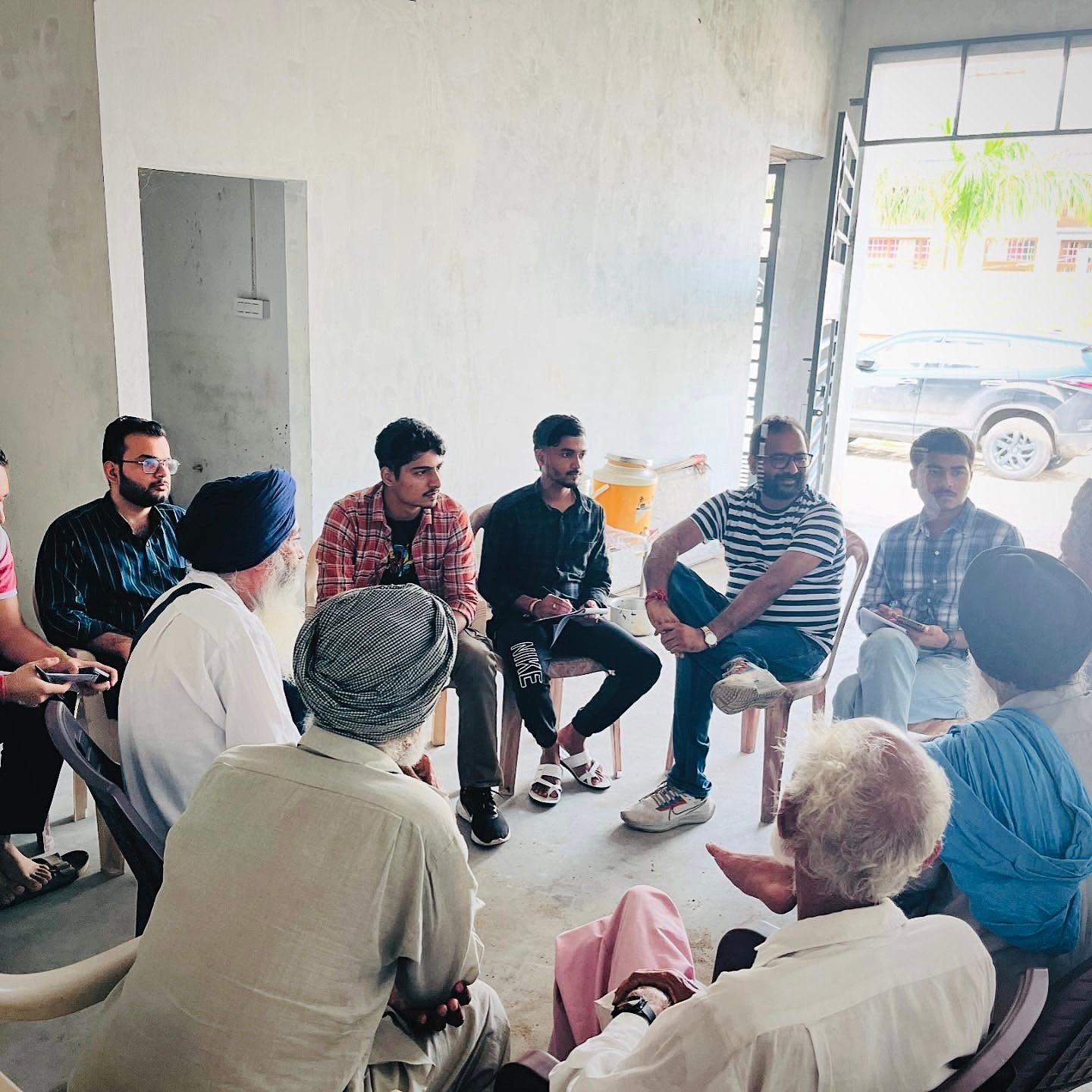
A field-based ethnographic study was conducted in Kangra district, Himachal Pradesh, from 14th to 20th July 2025 with the help of the District Administration and District Health and Family Welfare Department. The study examined the implementation and ground-level impact of PM-JAY, HIMCARE and NPHCE.
The study covered Zonal Hospital Dharamshala, Civil Hospitals, Community Health Centres, Primary Health Centres, Health and Wellness Centres, Dr Rajendra Prasad Government Medical College, Tanda, the District Ayurvedic Hospital and empanelled private hospitals.
The study adopted a mixed quantitative and qualitative approach with an ethnographic-based design. Primary data were collected through on-site surveys, questionnaires, structured interviews and discussions with medical officers, healthcare workers, beneficiaries and scheme implementers.
Key Findings
The study found that PM-JAY and HIMCARE substantially improved healthcare accessibility and financial protection in Kangra, although implementation remained uneven. Approximately 60% of admitted patients at Civil Hospital Kangra possessed Ayushman or HIMCARE cards.
Several PHCs and CHCs faced shortages of doctors and other staff, inadequate infrastructure, irregular medicine supplies, outdated equipment, sanitation deficiencies and weak diagnostic facilities.
A major concern was the limited implementation of structured geriatric healthcare under NPHCE. Zonal Hospital Dharamshala had a functional 17-bed geriatric ward but no separate geriatric OPD, while the designated geriatric OPD at RPGMC Tanda was non-functional.
Community-level institutions and frontline workers remained important to programme delivery. PHC Chamunda Ji undertook NCD and NPHCE screening, while HWC Dharamkot served approximately 4,000 people across nine villages and had initiated palliative-care outreach.
Financial implementation was another concern. Approximately 58 hospitals were empanelled under each scheme, with both schemes providing up to ₹5 lakh annual coverage per family. HIMCARE faced significant reimbursement delays in private hospitals.
Overall Assessment
PM-JAY and HIMCARE have positively strengthened healthcare access and financial protection in Kangra, supported by substantial beneficiary reach and continued efforts of healthcare personnel and district-level institutions. Further strengthening is needed in PHCs and CHCs, staffing, diagnostics, medicine availability, sanitation, community outreach, geriatric services and reimbursement mechanisms.
Kinnaur, Himachal Pradesh 2025: A Study of Geographical Indications and Local Development
FIRST proudly showcased its 2025 internship highlight: the ethnographic field study on “Geographical Indications (GIs) and Their Socio-Economic and Political Impact in Kinnaur District, Himachal Pradesh.” Conducted under the academic guidance of mentors from Dyal Singh College and Indraprastha College for Women, University of Delhi, and with administrative support from the Deputy Commissioner and District Rural Development Agency, Kinnaur, this immersive project spanned nearly 35 villages across all five tehsils.
It analysed three iconic GI products—Kinnauri Shawl, Himachali Chulli Apricot Kernel Oil and Himachali Kala Zeera—documenting their role in preserving Himalayan heritage under India's Geographical Indications of Goods (Registration and Protection) Act, 1999.
The study employed a robust mixed-methods approach. A stratified purposive sampling strategy yielded 165 household respondents engaged in GI production plus 50 Self-Help Group members. Primary data were gathered through structured questionnaires, interviews, focus-group discussions and observation.
Economic Findings
85.8% of producers reported income rises. Kinnauri Shawls fetched premium prices of ₹15,000–25,000 each, while Chulli Oil prices rose from around ₹700–800 per litre to ₹2,000–3,000 per litre by 2025.
Women's Participation
91.9% of respondents noted increased women's participation in weaving, oil extraction, kernel processing and spice collection. Women-led SHGs formalised labour-sharing, machine access and local sales networks.
Cultural Impact
GIs reinforced collective identity through ritual motifs on shawls, ceremonial and medicinal uses of Chulli Oil and ecological knowledge embedded in Kala Zeera cultivation.
Challenges
Market-access gaps, intermediaries, limited packaging and labelling, weak e-commerce skills, limited organised supply chains, youth migration, climate variability and unequal access to extraction machinery continued to constrain scaling.
Overall Assessment
The study positions GIs as catalysts for self-reliance, cultural affirmation and inclusive growth in Kinnaur's tribal mountain economy. By blending ecology, artisanal craft and cooperative governance, these products demonstrate how intellectual-property recognition can contribute to rural transformation while highlighting the need for targeted capacity-building, climate-resilient practices and stronger institutional support.
Neemuch, Madhya Pradesh 2023: A Study of Rural Governance and Development
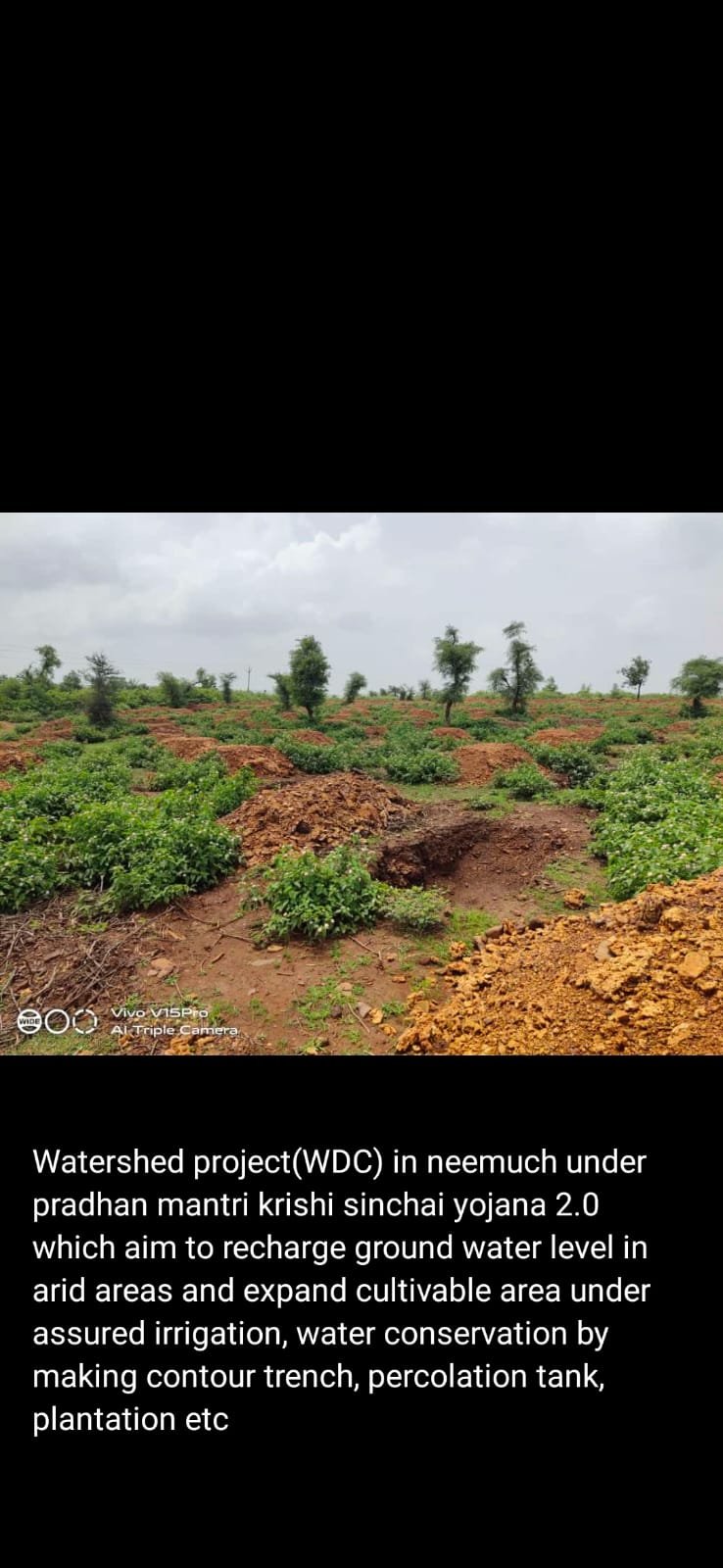
The field study in Neemuch, Madhya Pradesh, was undertaken in 2023 to understand the functioning of local governance institutions and rural development initiatives at the grassroots level. The study focused on Gram Panchayats, Janpad Panchayats, Self-Help Groups, Farmer Producer Organisations, watershed development and Panchayat-level infrastructure.
Role of Panchayati Raj Institutions
The study examined Gram Panchayats and Janpad Panchayats, with particular attention to their administrative responsibilities, development functions and role in addressing local needs.
Self-Help Groups and Community Participation
A significant component of the fieldwork focused on Self-Help Groups and their contribution to rural development. Collective organisation can strengthen community participation and support local livelihoods.
Agricultural Development and FPOs
Visits to Farmer Producer Organisations provided practical exposure to institutional approaches towards agricultural development and demonstrated how producer-based institutions can strengthen rural economic activities.
Watershed Management
The study included visits to watershed development sites, enabling students to understand approaches to natural resource management and rural development.
Community Infrastructure
Visits to Panchayat-level development sites provided insights into the relationship between local institutions and community-oriented infrastructure.
Institutional Coordination
Interactions with officials from departments including PWD and the Watershed Management Project highlighted the involvement of multiple government agencies in rural development.
Overall Assessment
The Neemuch field study demonstrated that rural development is shaped by the interaction of decentralised governance, community participation, agricultural institutions and specialised government departments. Effective rural development requires functioning local institutions, institutional coordination, community participation and locally responsive implementation.
Significance of the Study
The study provided a grassroots perspective on rural governance and development in Neemuch, connecting institutional structures with their practical functioning and demonstrating the value of field-based learning.
Palamu and Khunti, Jharkhand 2024: A Study of PESA and Tribal Governance
The field study conducted in Palamu and Khunti districts of Jharkhand in 2024 examined the implementation of the Panchayats (Extension to the Scheduled Areas) Act, 1996 (PESA) and its implications for tribal governance, grassroots democracy and socio-economic development. The study assessed whether PESA strengthened the Gram Sabha, community participation and local decision-making while also examining women's participation in Panchayati Raj institutions.
Fieldwork covered Pokhrahakalan, Chiyanki and Nawa villages in Palamu and Kaduabhitha and Baradih villages in Bokaro. A household survey of 105 households was undertaken to examine PESA awareness, Gram Sabha functioning, basic services, livelihoods and political participation.
Limited Awareness and Functioning of PESA Institutions
Only 7 of the 105 respondents reported awareness of PESA. Although the Gram Sabha is central to PESA, only 55 respondents reported that meetings were held at least twice a year, while just 49 reported participating in Gram Sabha meetings.
Deficiencies in Basic Services and Infrastructure
The study identified limited access to sanitation, piped water, electricity, healthcare and educational facilities. In Nawa village, some households could only be reached after approximately two kilometres of walking through forested terrain, while the nearest hospital was around 16 kilometres away.
Livelihood Insecurity and Migration
Agriculture remained largely seasonal because of inadequate irrigation, while approximately 73% of respondents were engaged in labour or manual work. Average daily wages were reported at around ₹200, contributing to economic insecurity and migration among younger members.
Women's Political Participation
Reservation increased formal representation of women in Panchayati Raj institutions, but instances of “family politics” were observed. Self-Help Groups and Mahila Samitis emerged as positive mechanisms of women's economic participation.
Differences between Palamu and Bokaro
Bokaro was relatively more developed in terms of connectivity, literacy and economic opportunities. However, both districts continued to face challenges related to PESA awareness, Gram Sabha functioning, basic services and corruption.
Overall Assessment
The study revealed a significant gap between the legal framework of PESA and its practical implementation. Limited awareness, weak Gram Sabha functioning, inadequate infrastructure and livelihood insecurity constrained meaningful local governance.
Significance of the Study
The study provides a field-based assessment of PESA and tribal governance, linking the formal framework of decentralisation with its functioning within tribal communities. The findings highlight the need for greater PESA awareness, stronger Gram Sabhas, Panchayat autonomy, capacity-building, transparency and substantive participation of women and local communities.